
 Image 1 of 15
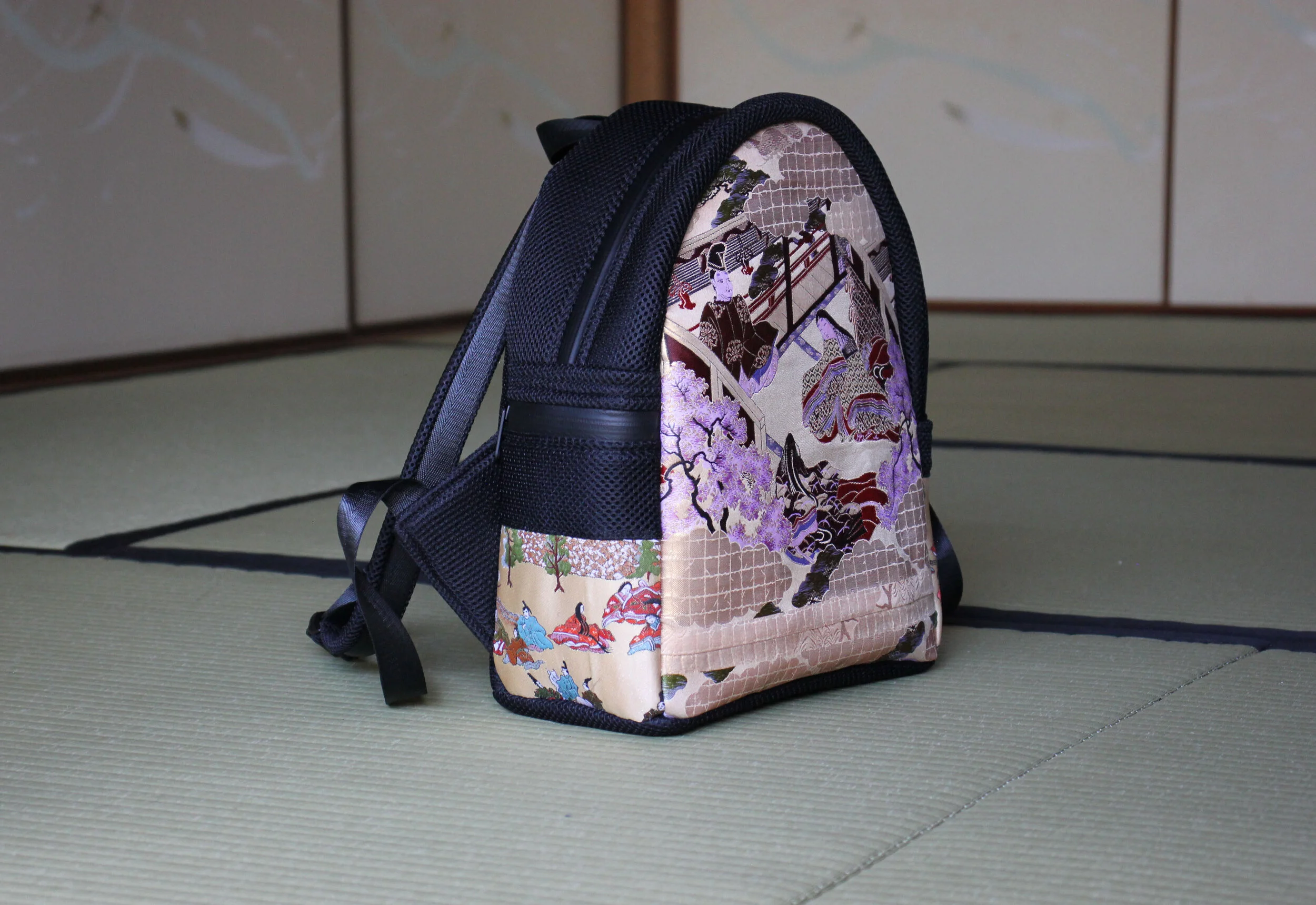 Image 2 of 15
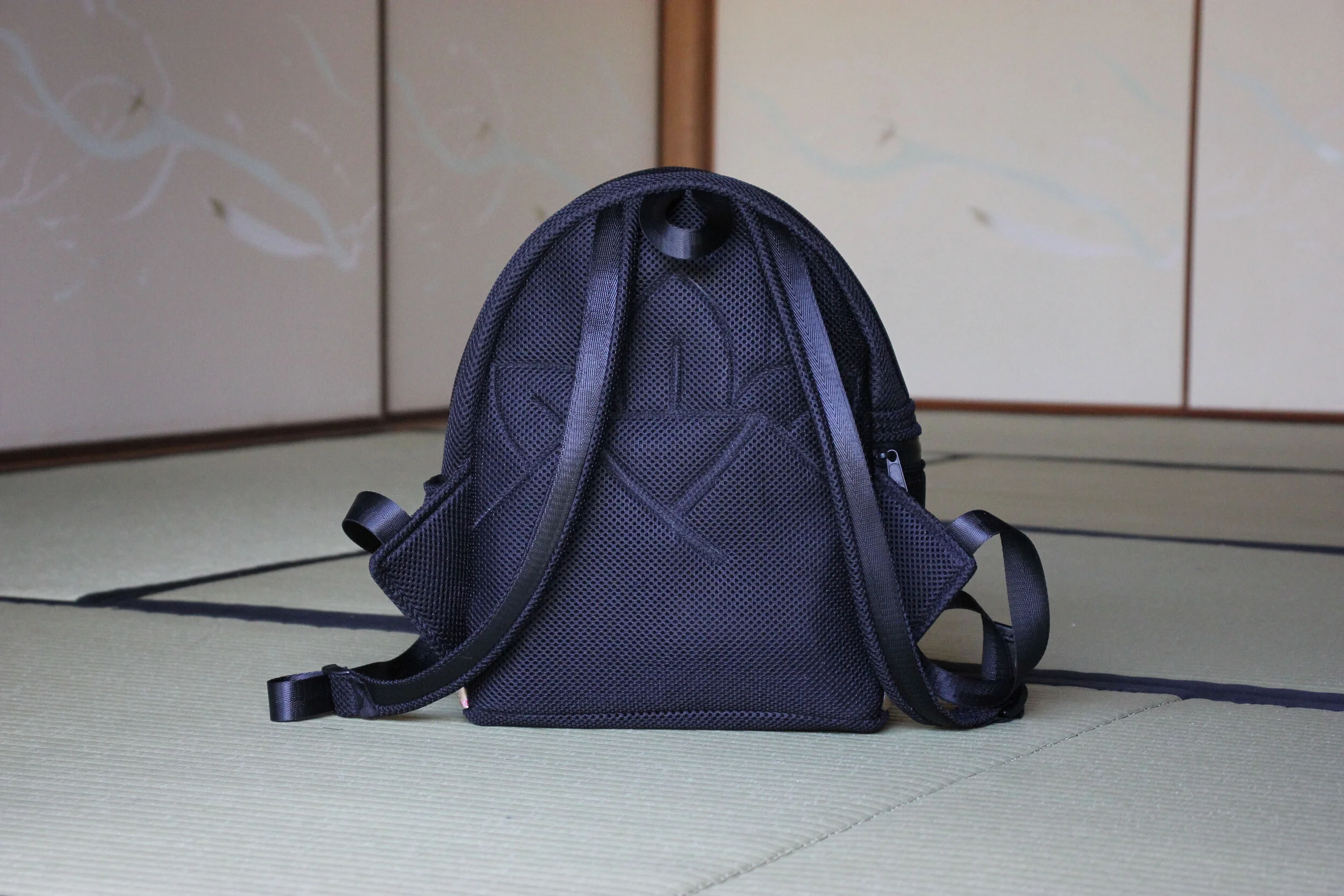 Image 3 of 15
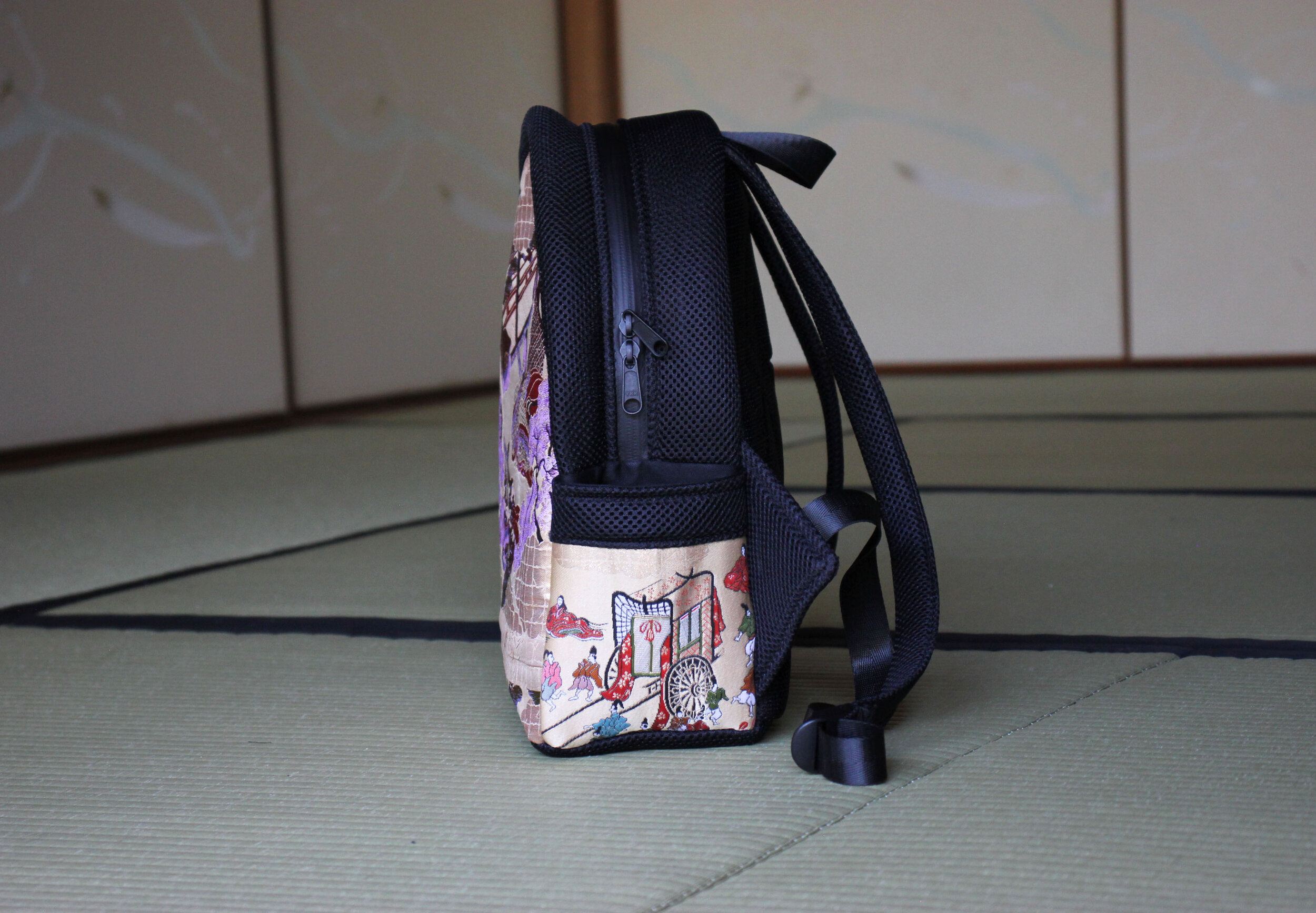 Image 4 of 15
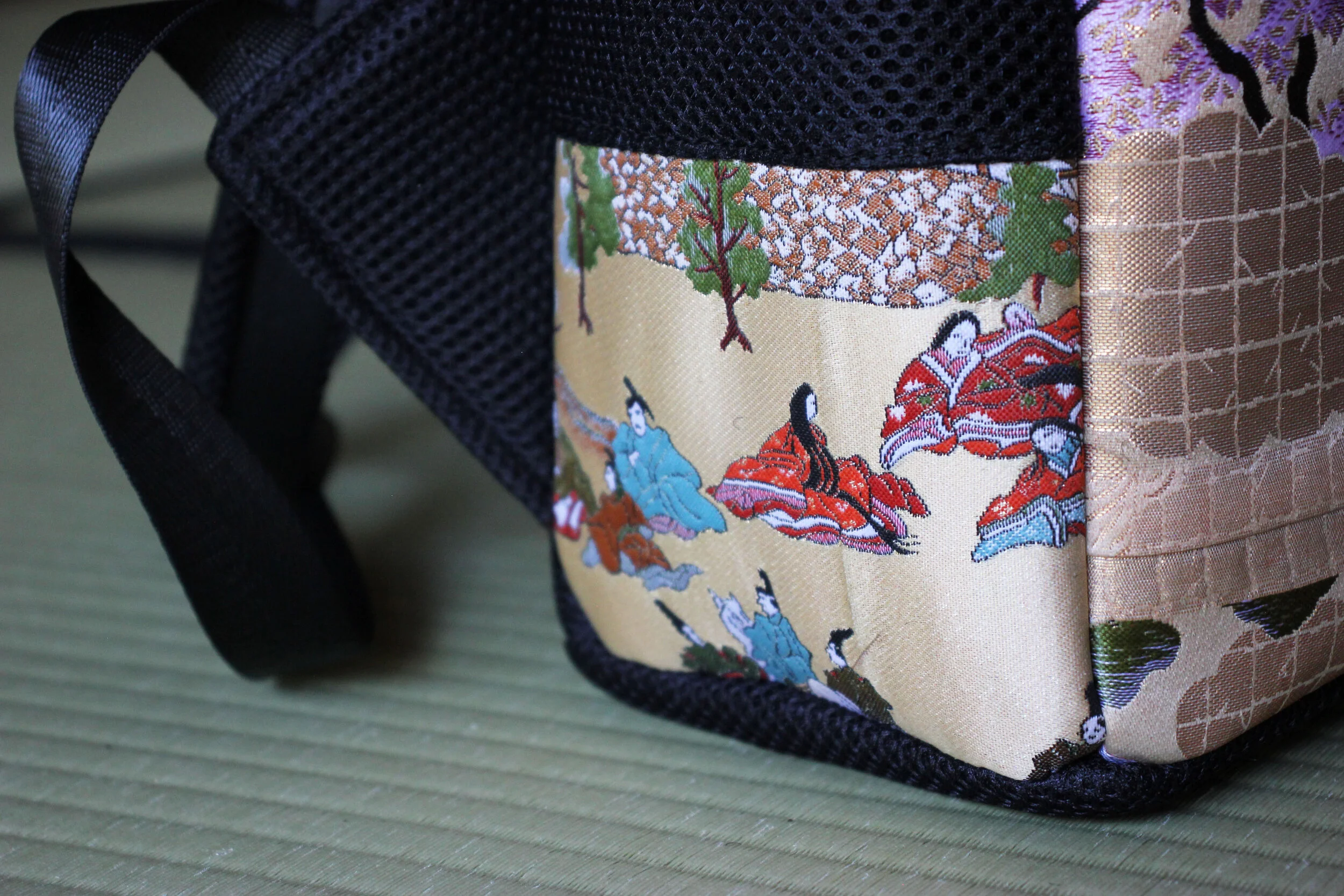 Image 5 of 15
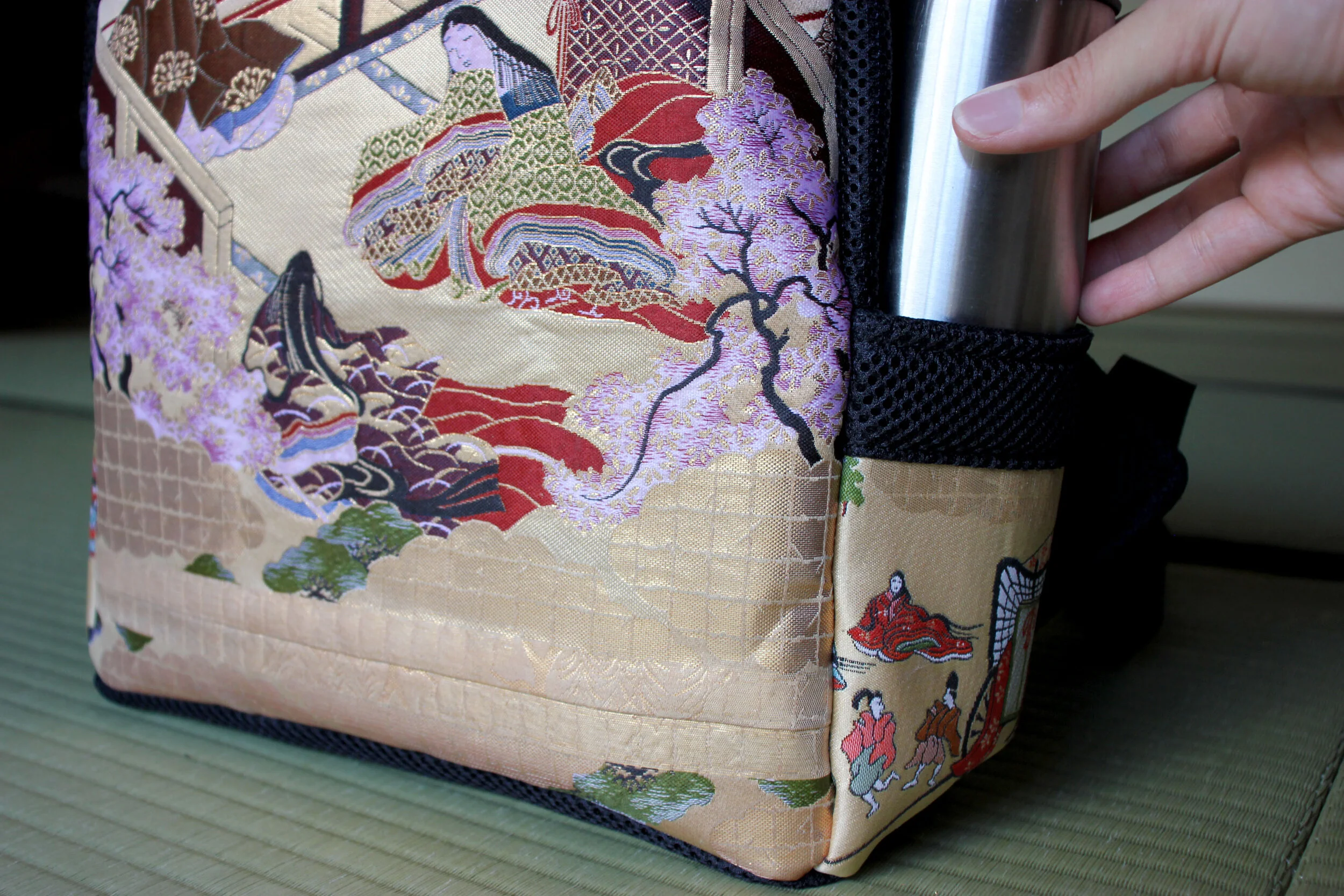 Image 6 of 15
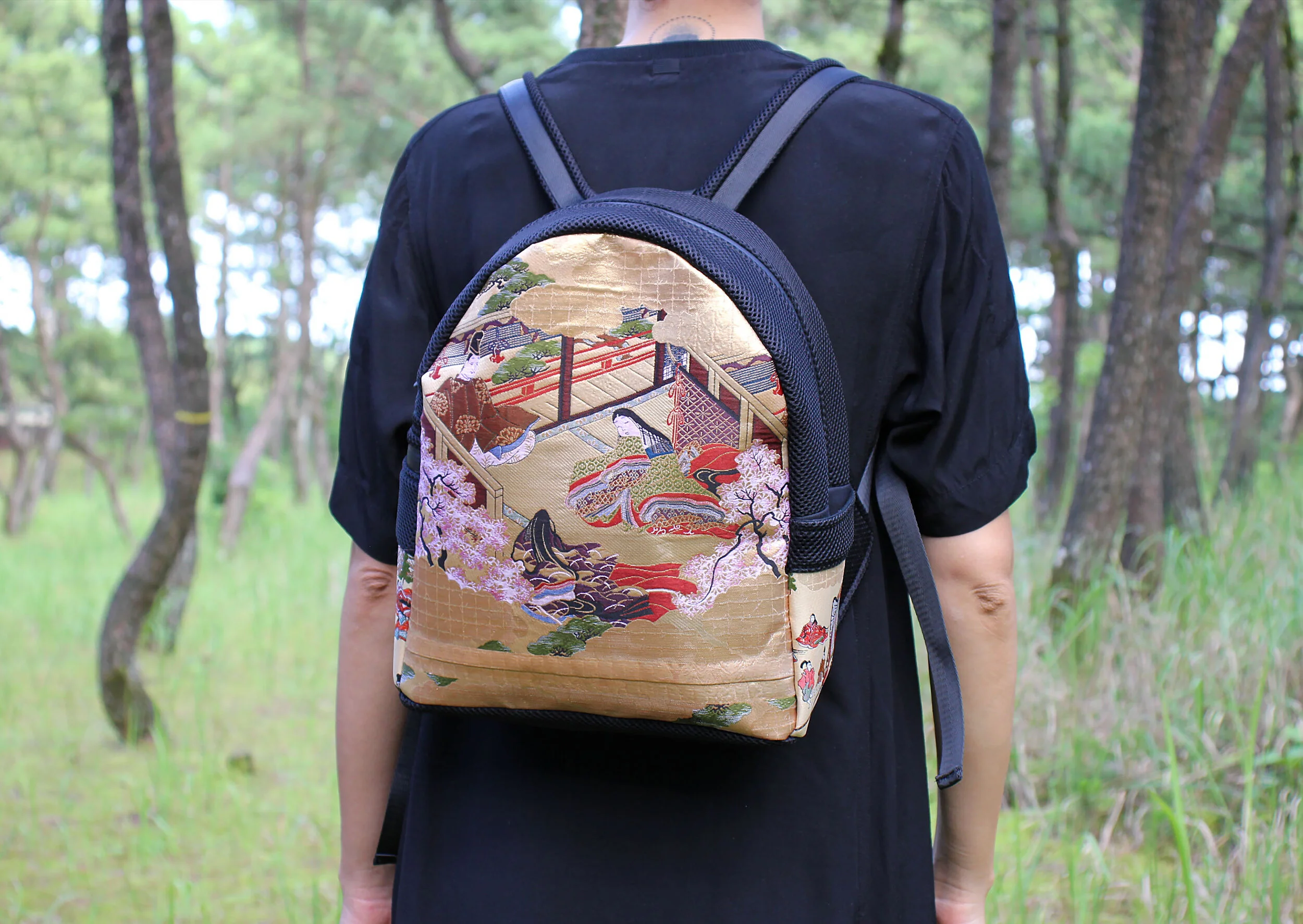 Image 7 of 15
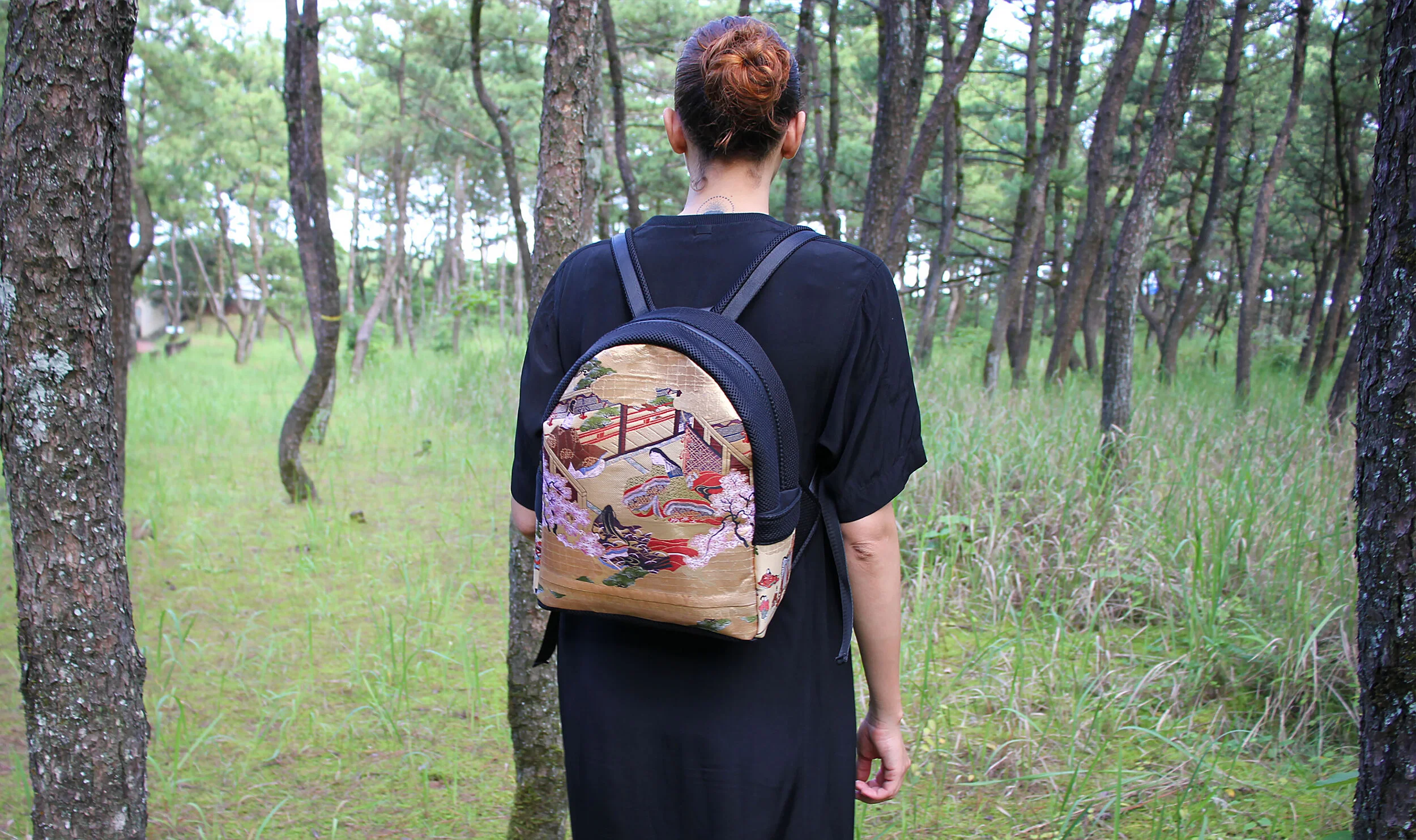 Image 8 of 15
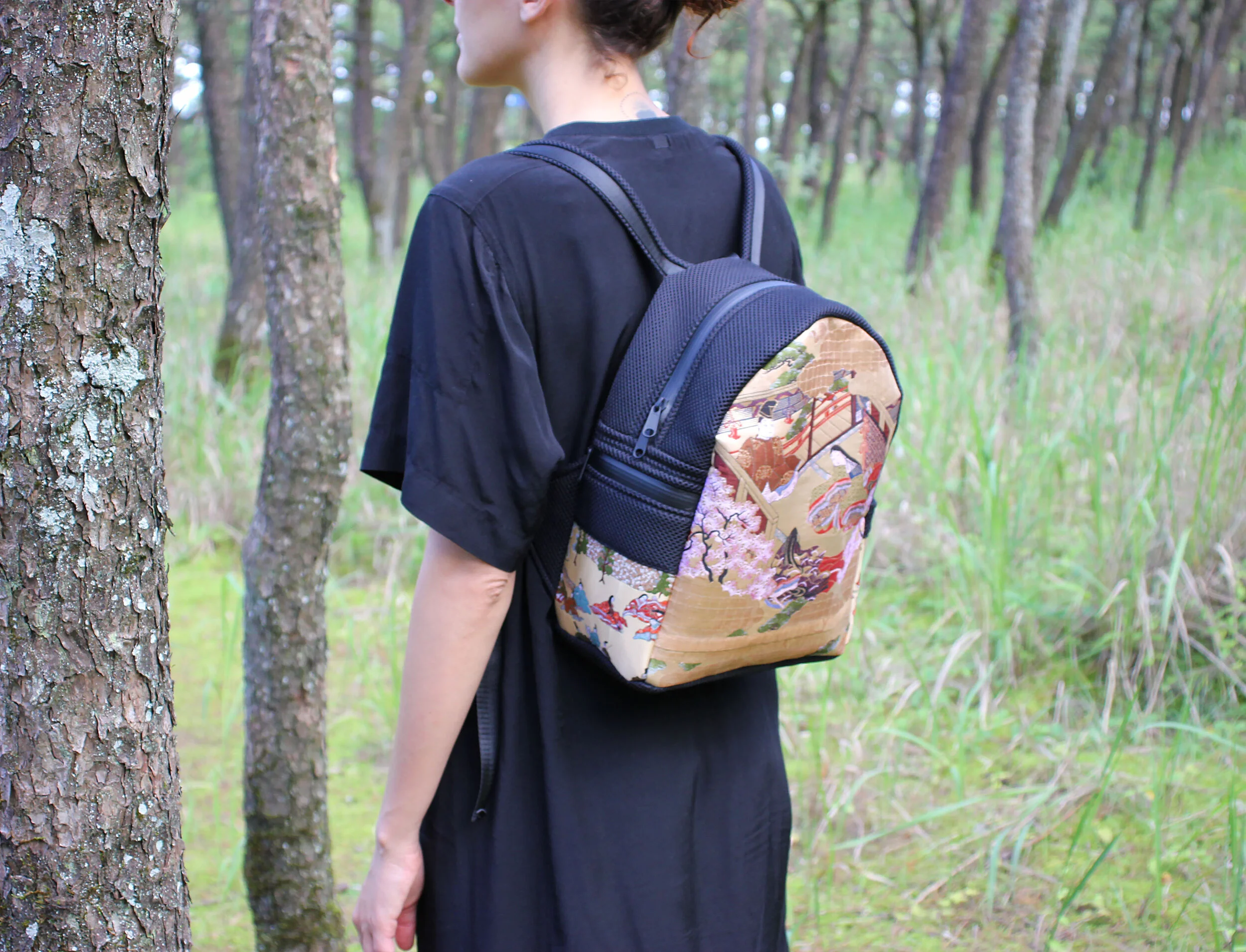 Image 9 of 15
 Image 10 of 15
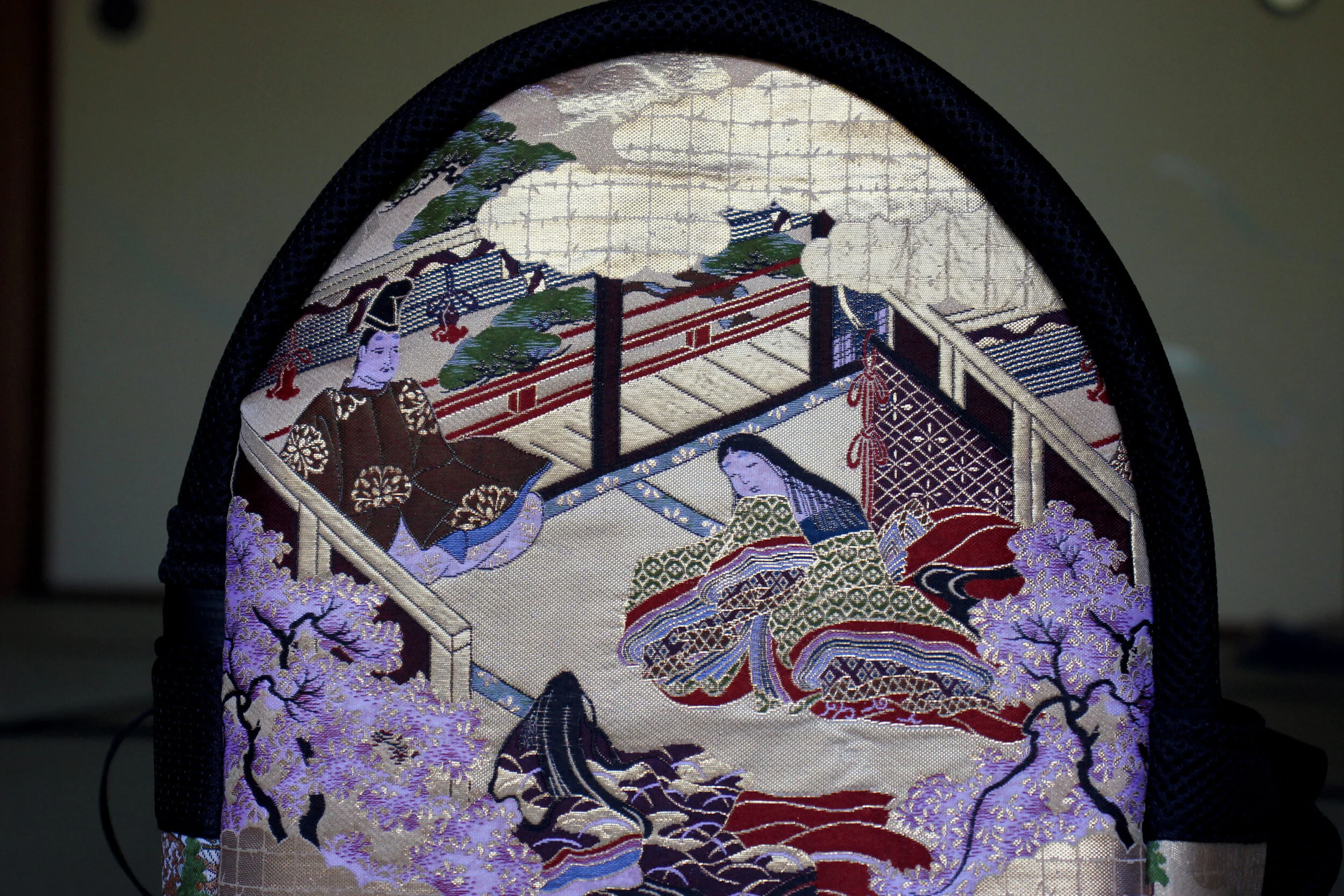 Image 11 of 15
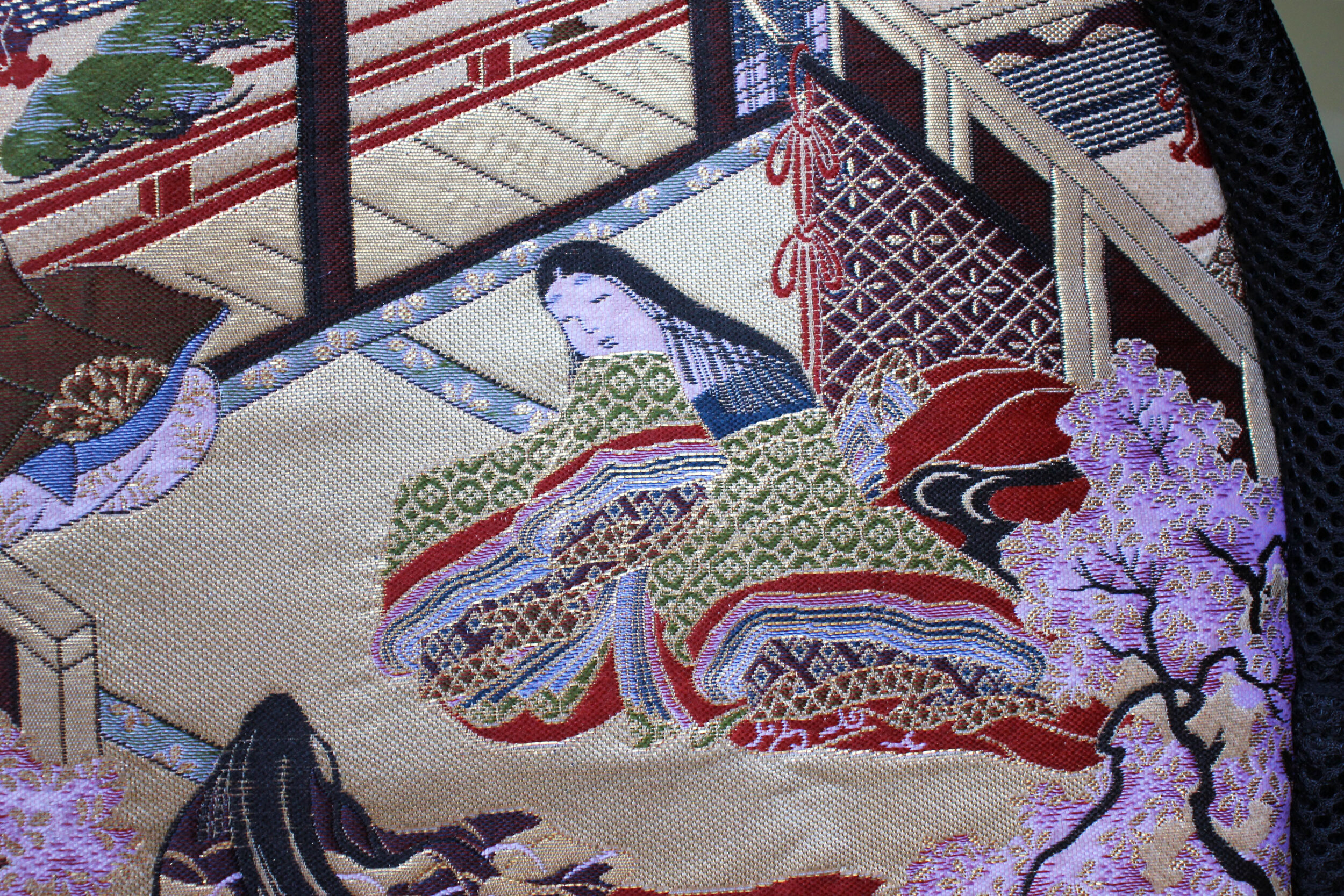 Image 12 of 15
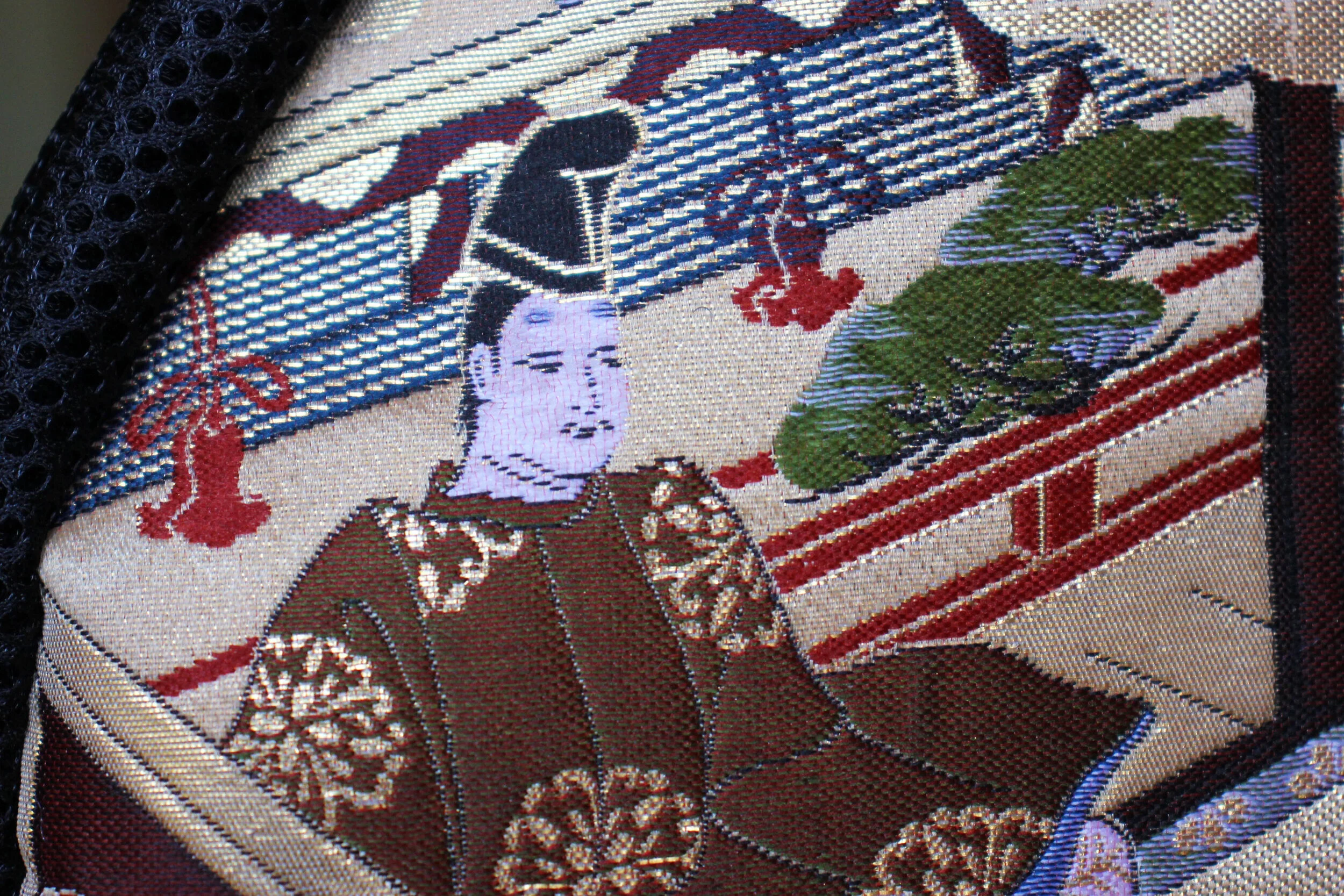 Image 13 of 15
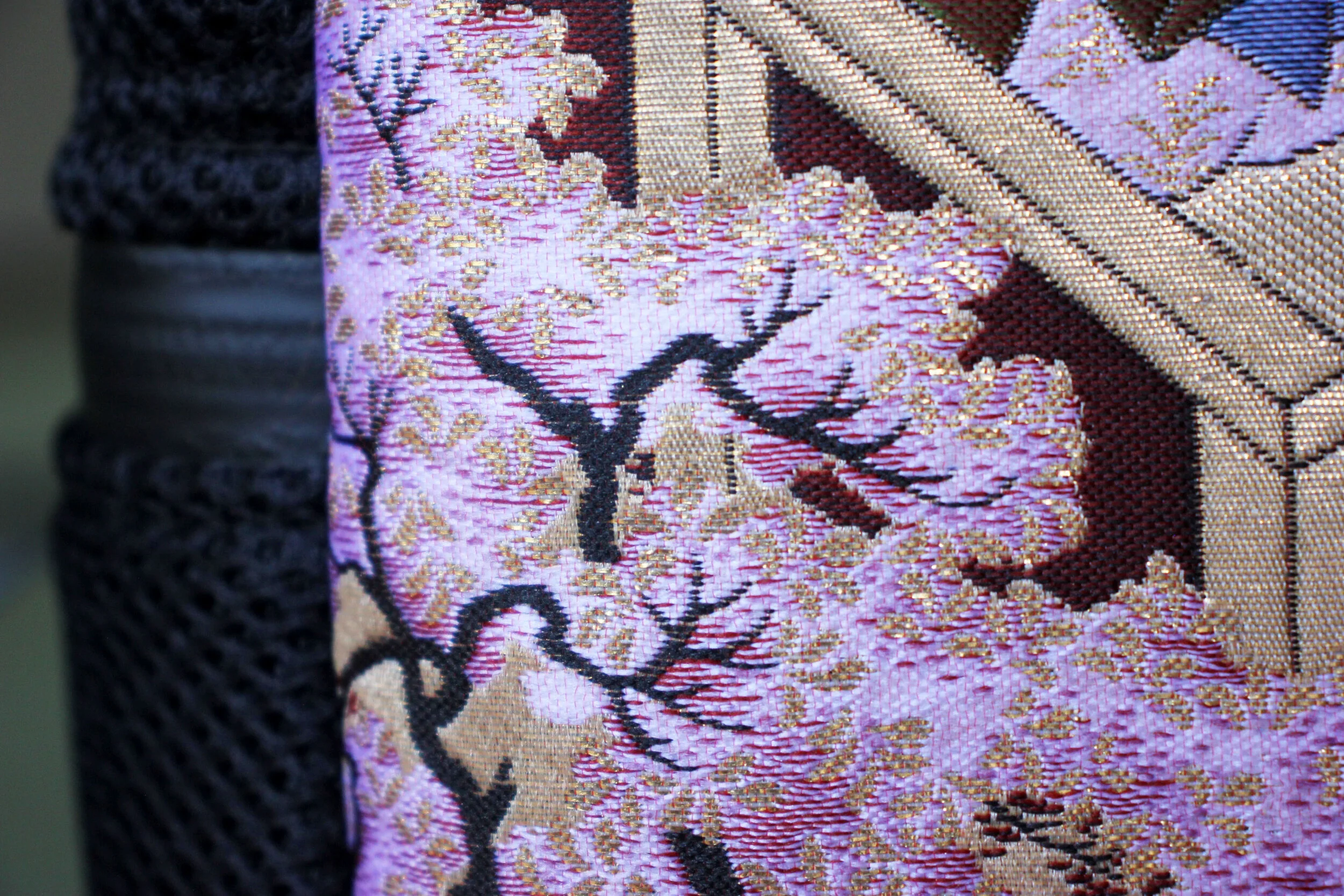 Image 14 of 15
 Image 15 of 15
Traditional contemporary fabrics of Nishijin
In the famous weaving district of Nishijin, Kyoto’s textile artisans have been able to preserve their precious know-how over the centuries, passing them on through generations of skillfully trained makers. From their early development 1200 years ago, until today, the ‘Nishijin-ori’ have been considered among the most gorgeous of all Japanese textiles. They are well-known for their highly decorative patterns and their finely woven designs and featuring lamé threads. But their high production cost and fewer people wearing the traditional costume has caused a lot of these businesses to disappear.
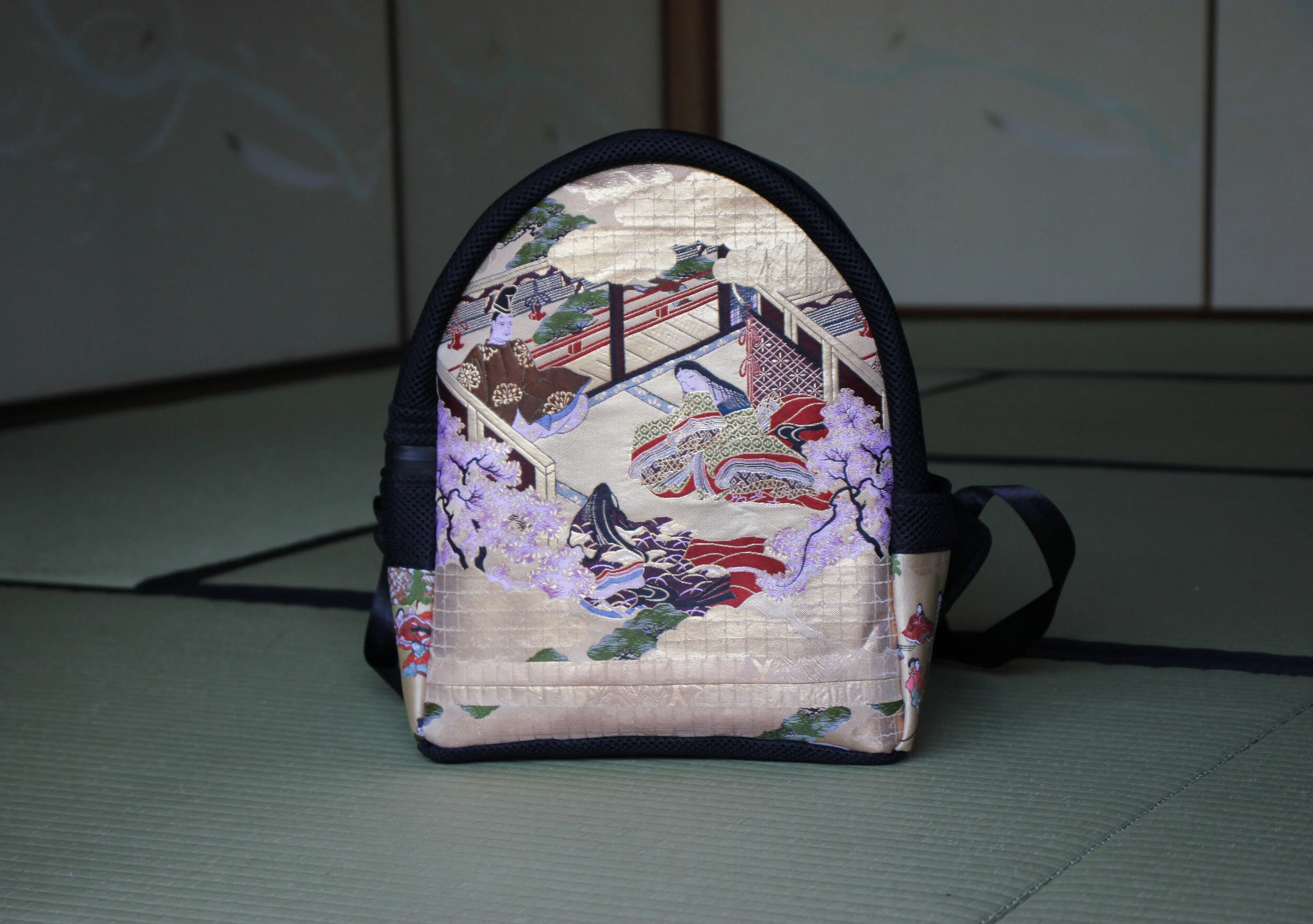
Some of the remaining craftsmen have developed an interesting range of contemporary Nishijin-ori designs. These fabrics are woven with techniques that are faithful to tradition, and they feature classical motifs which allow us to time travel to different periods of history.
To me, they appear as textile postcards of beautiful Kyoto city, patiently waiting for her visitors to come back.
This bag is part of a limited series of Mikan bags featuring the contemporary treasures of Nishijin.
The Tale of Genji
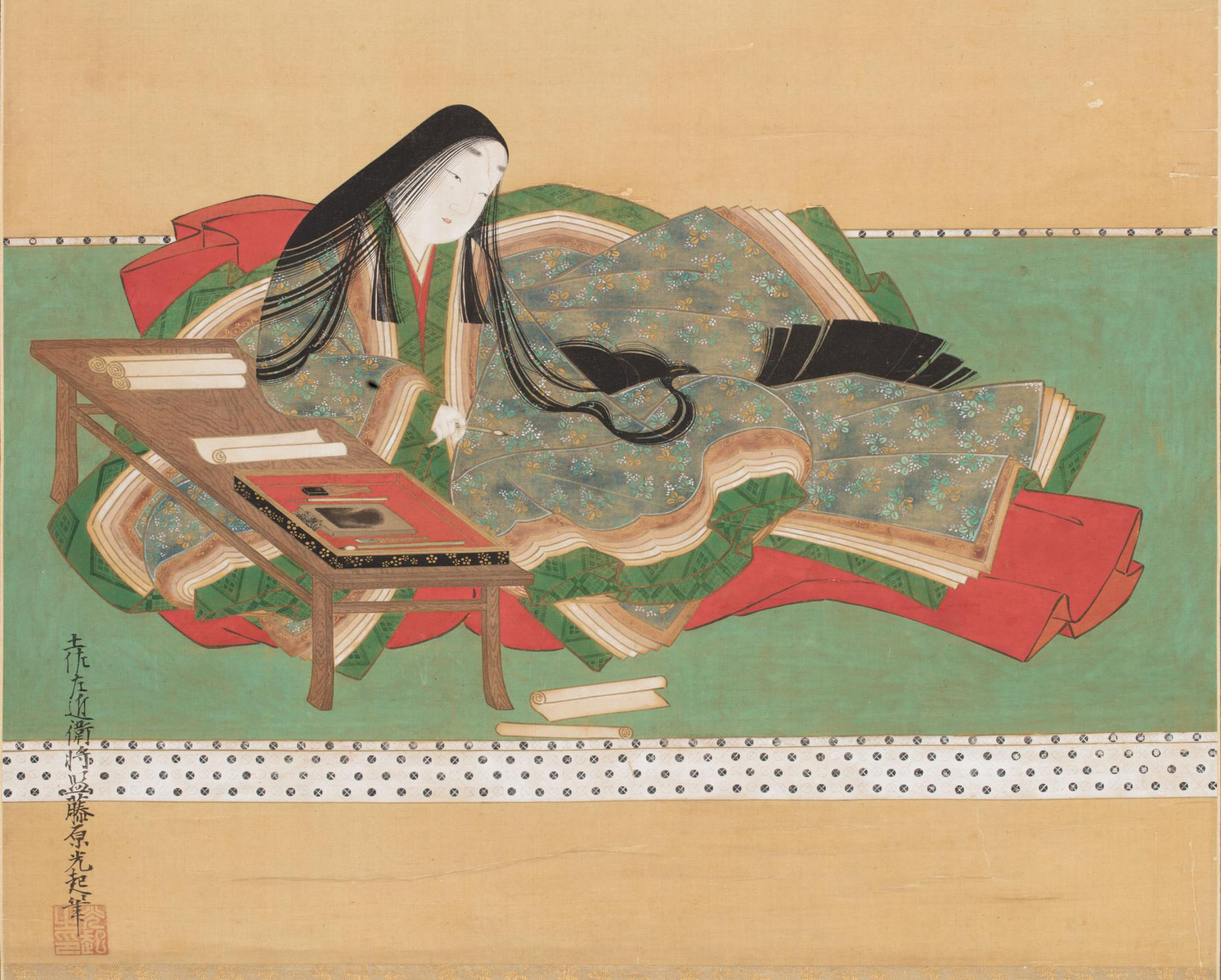
Murasaki Shikibu composing Genji Monogatari by Tosa Mitsuoki (1617-1691)
Genji Monogatari, known as the first novel, was written by lady-in-waiting Murasaki Shikibu. It gives us a rich introduction to the culture of the aristocracy in early Heian* Japan—its forms of entertainment, its manner of dress, its daily life, and its moral code.
*Heian period: 794-1185
Many paintings were done based on the book both in the Heian period and today. Here are a few examples of some Yamato-e illustrations, a style highly developed at the end of the Heian period and which the bag fabric was inspired by.
”Yamato-e (literally Japanese painting) are generally highly stylized, with abbreviated facial features. Other stylistic features often associated with Yamato-e include the use of bright, thick pigments, large bands of clouds that obscure and divide space, and a technique is known as fukinuki yatai, literally, “blown off roof,” in which the roofs of buildings are removed to provide a glimpse into the interior from above.” explains Anna Willmann from the Department of Asian Art, at The Metropolitan Museum of Art, New York.
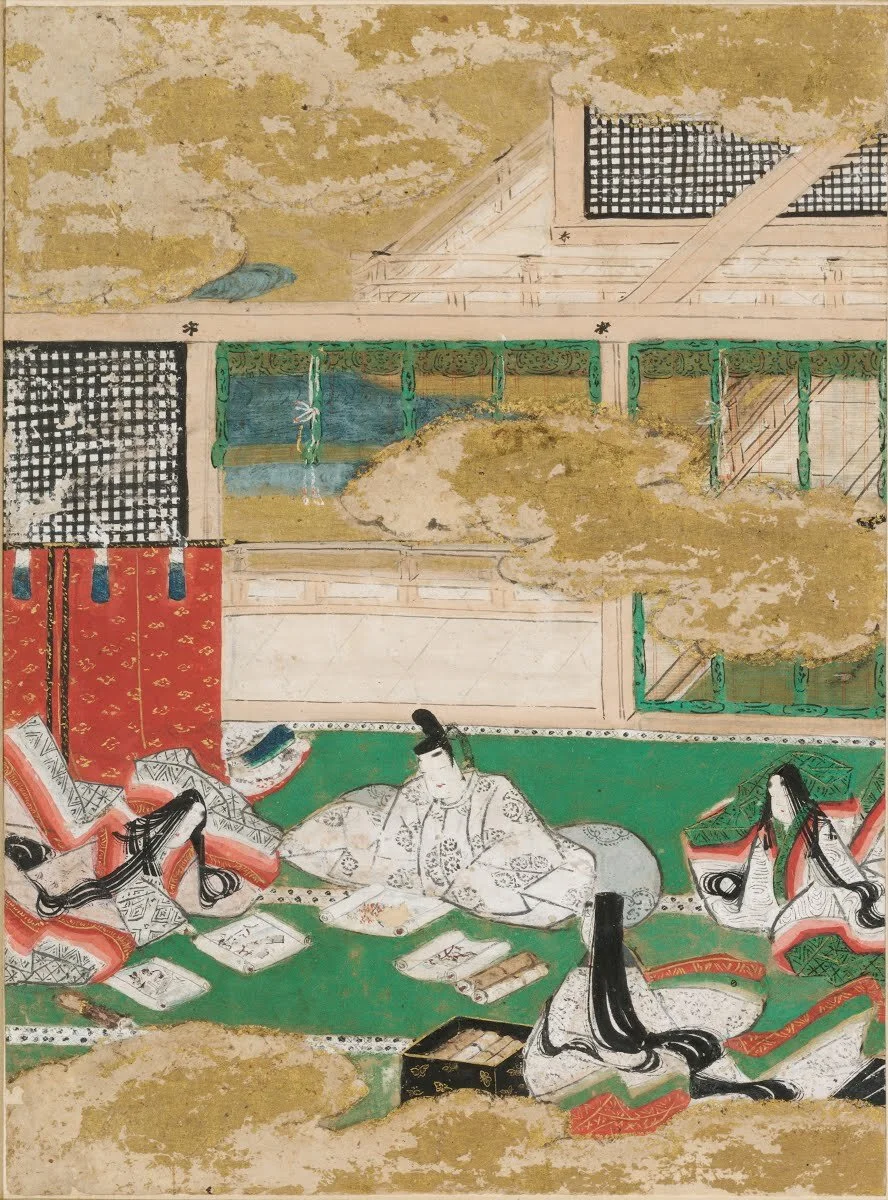
Illustration to Chapter 17
Tosa MitsunobuMuromachi period, datable to 1509-1510
Harvard Art Museums
Cambridge, United States

Episode from Chapter 34 (New Herbs) from the series The Tale of Genji, anonymous, 18th century Japanese, ink and colour on paper, Honolulu Museum of Art, accession 6999.4

Scene from The Tale of Genji by Tosa Mitsuoki, from the 17th century Tosa school revival of the style.