Plum blossoms,
Japanese original spring flowers
Ume 梅, the Japanese Plum tree
The commonly named Japanese "Plum" tree actually refer to variety of Apricot tree, including some species which give no fruits, only flowers. It is a strong symbol of strength and bravery, as they are the first blossoms to dare pop-out after the cold.
Before the Gregorian calendar was adopted in Japan in 1873, the Lunar New year was celebrated towards the middle of February, when the plum trees were in full bloom. Even Though the calendar has changed, the flower remains a very auspicious symbol and is still called the ‘first flower of the year’.
Aside from the camellia, which keeps blooming all winter-long (from November to March in some areas), the ume is still the first delicate flower to bloom in low temperature and to resist the new year's snow. They are followed by the peach blossoms and the famous cherry blossoms.
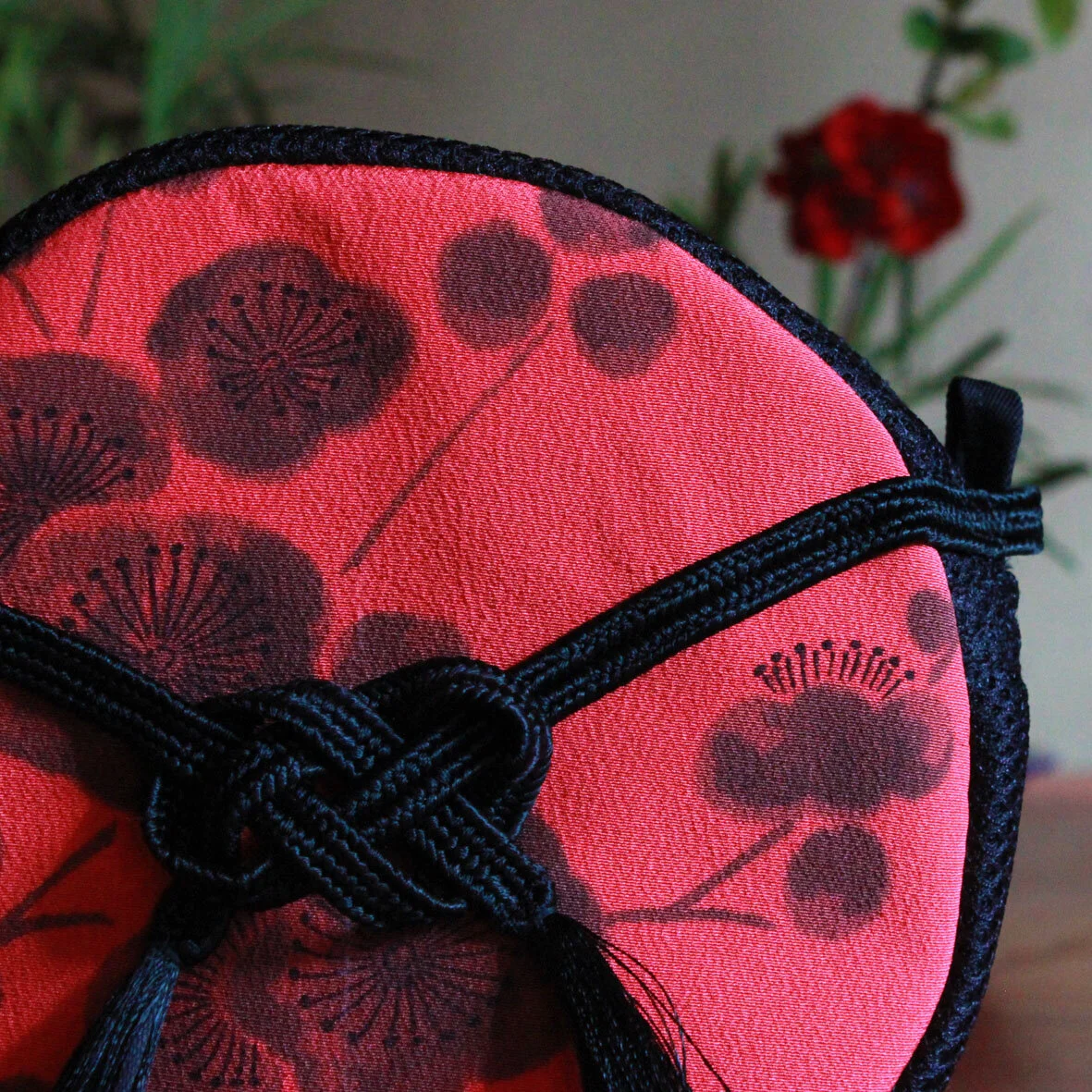
In the Kimono calendar,, the best season to wear a pattern featuring it, is at the end of winter, as we look forward to the coming spring. One of the most auspicious pattern you can find on kimono textiles is called Sho Chiku Bai (松竹梅), a combination pine (松), bamboo (竹) and plum tree (梅). It is mostly used on high-end ceremonial outfits.
Ume is also mentioned in various old legends, as a symbol of strength and loyalty. In the legend of Sugawara no Michizane, the plum tree survives the cherry tree and flies high in the sky to remain with its master on the other side of the peninsula.
Photo album
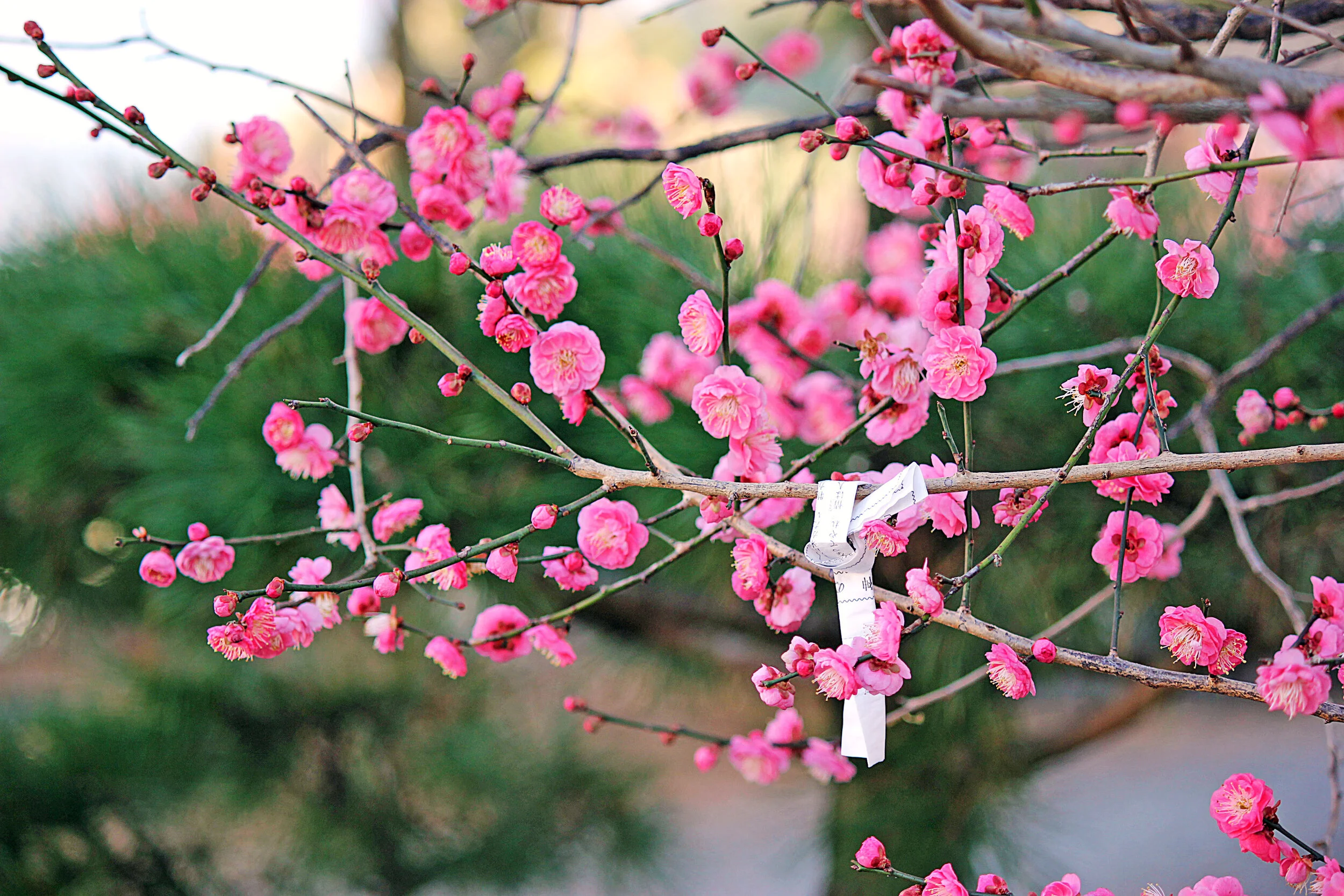
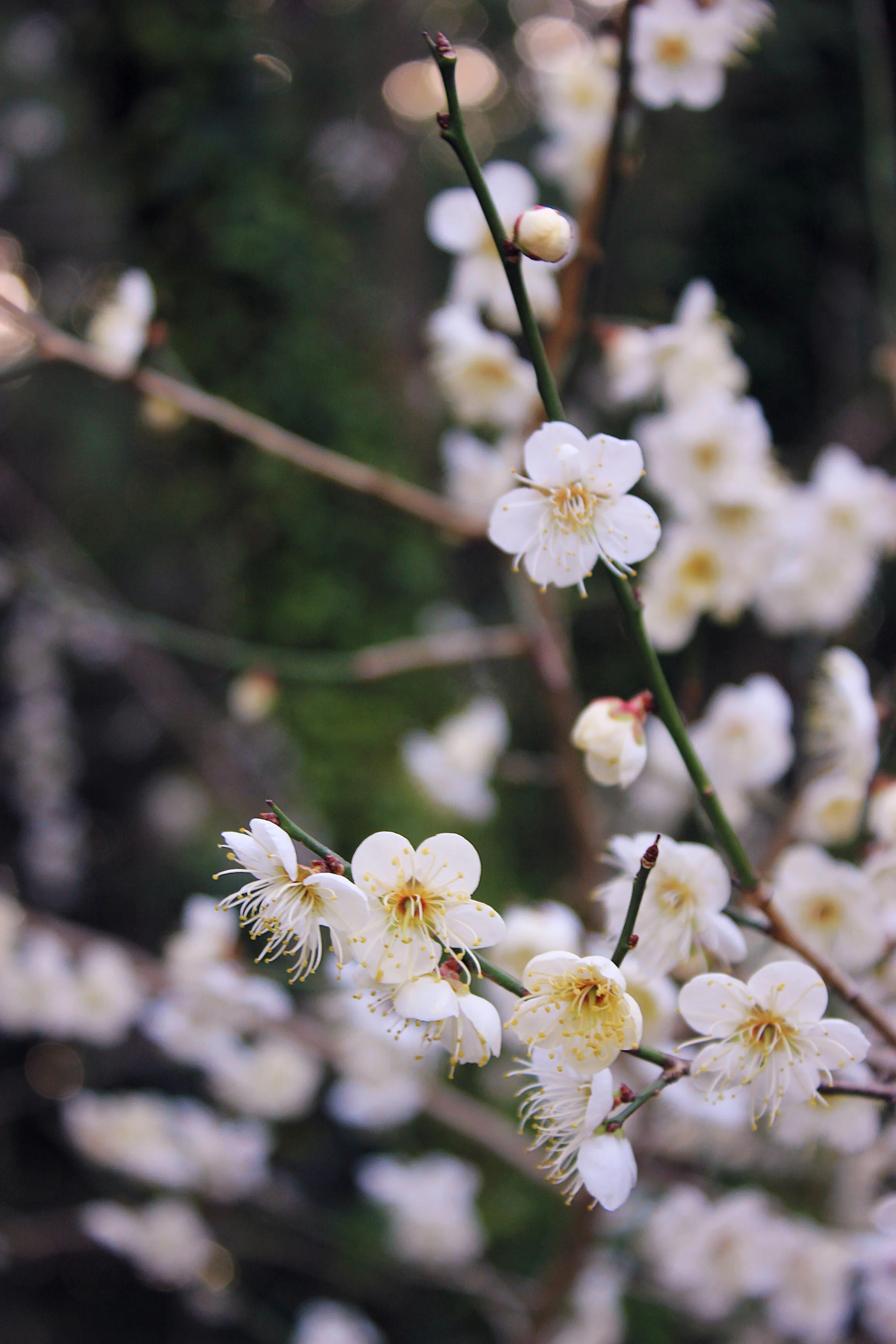
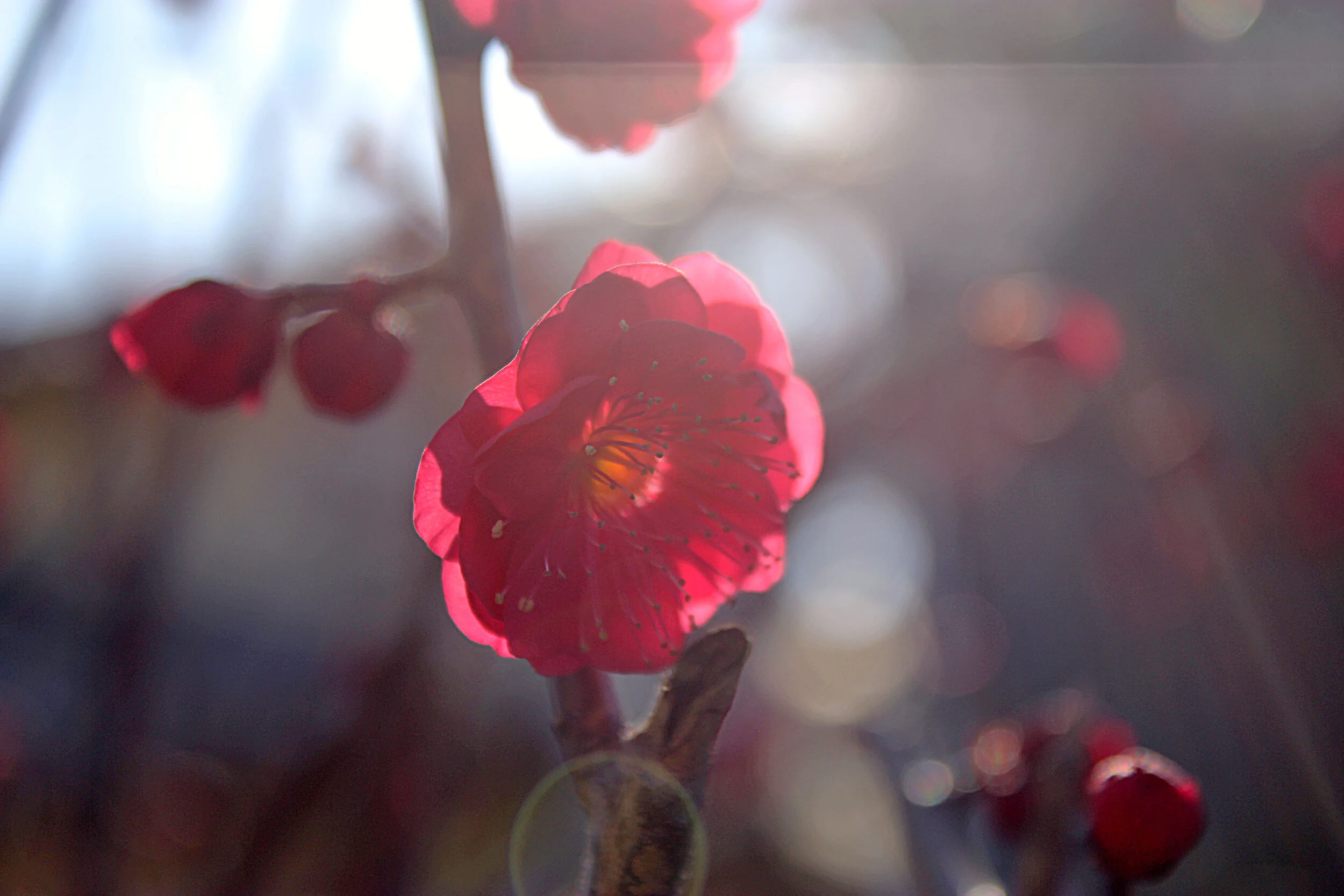
The earliest plum trees to blossom are often dark pink, but soon many other varieties of apricot trees start blooming as well, in various colours, from bright pink to pure white. One thing they have in common, despite their colours, is the delicious smell they fill the air with.
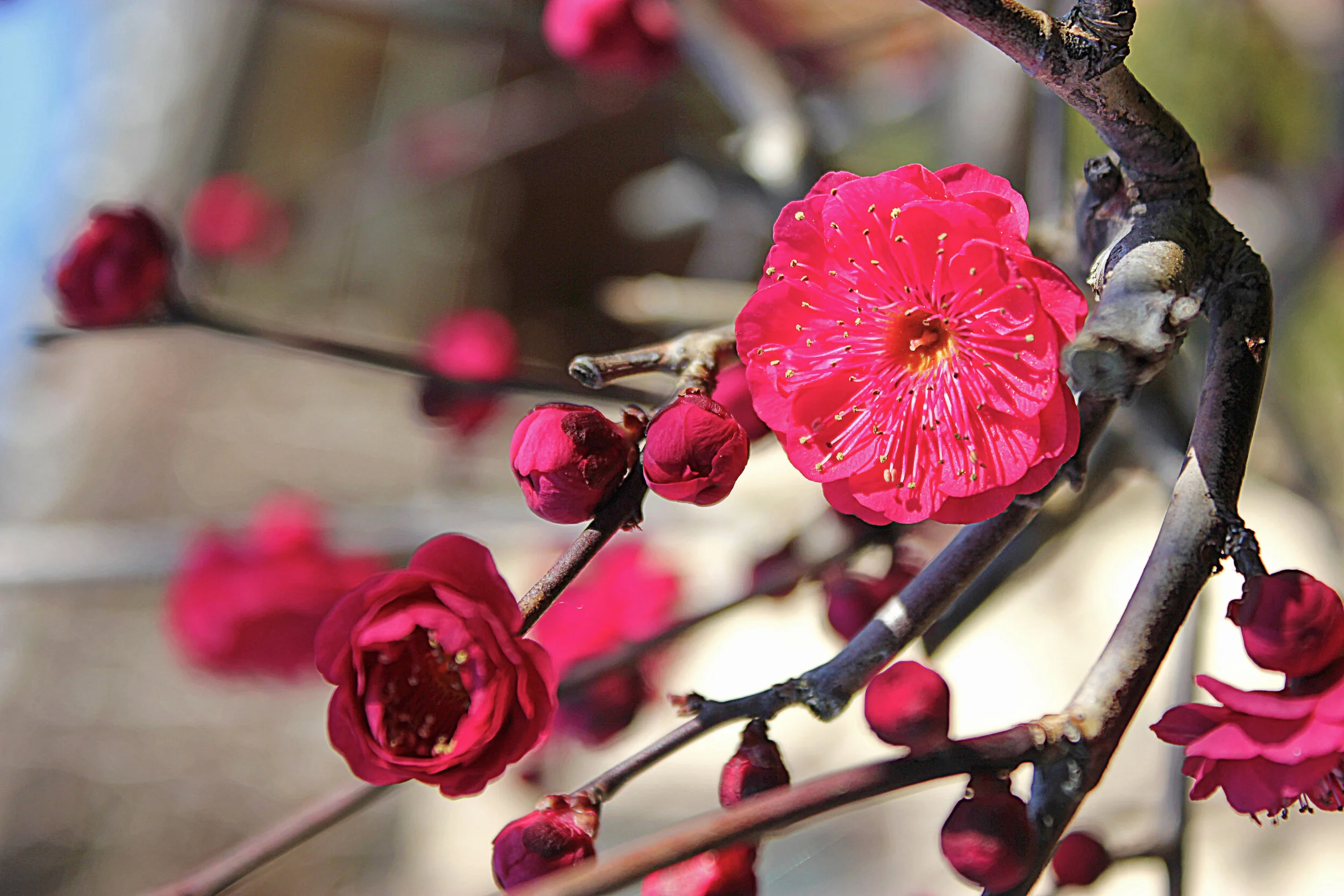
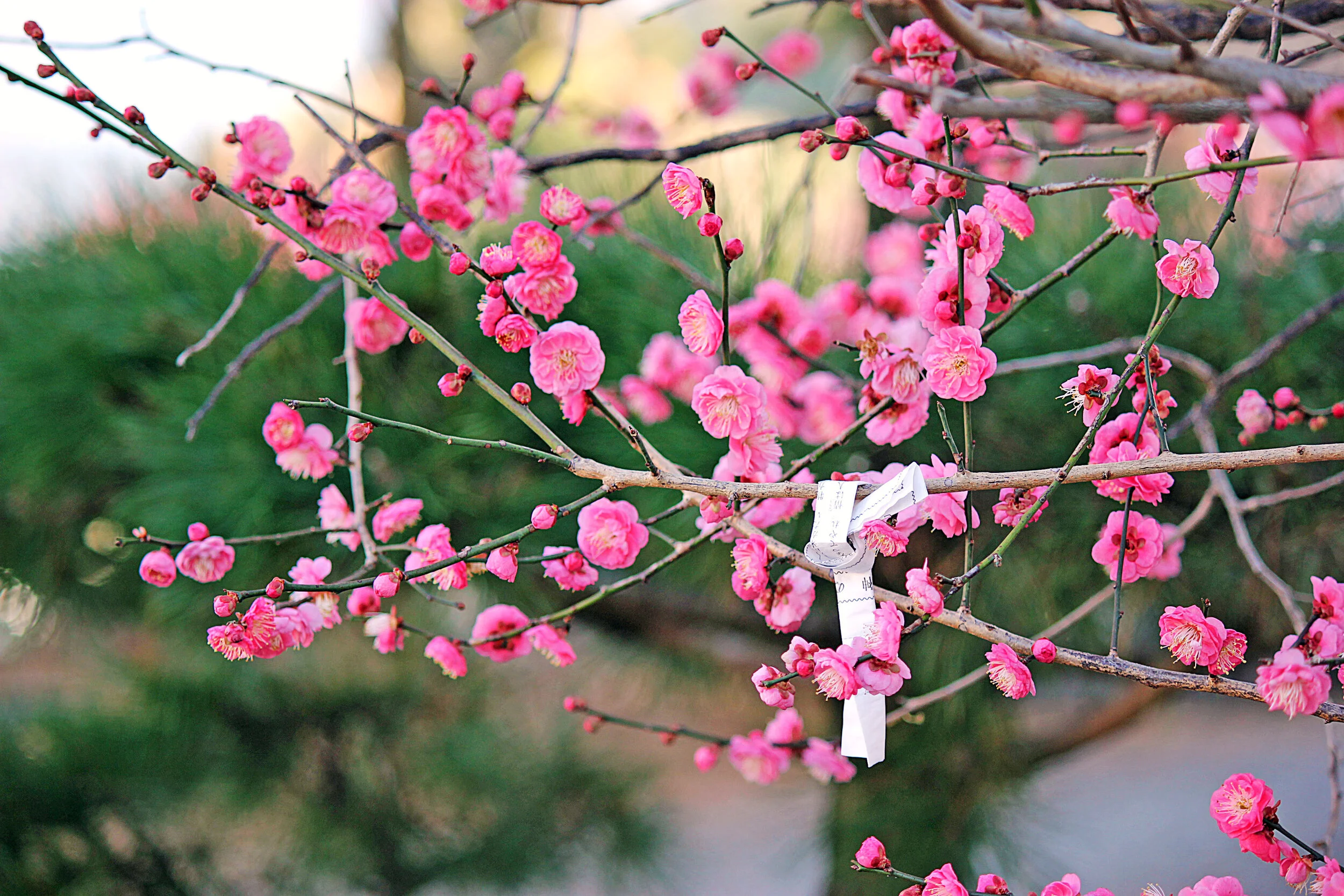
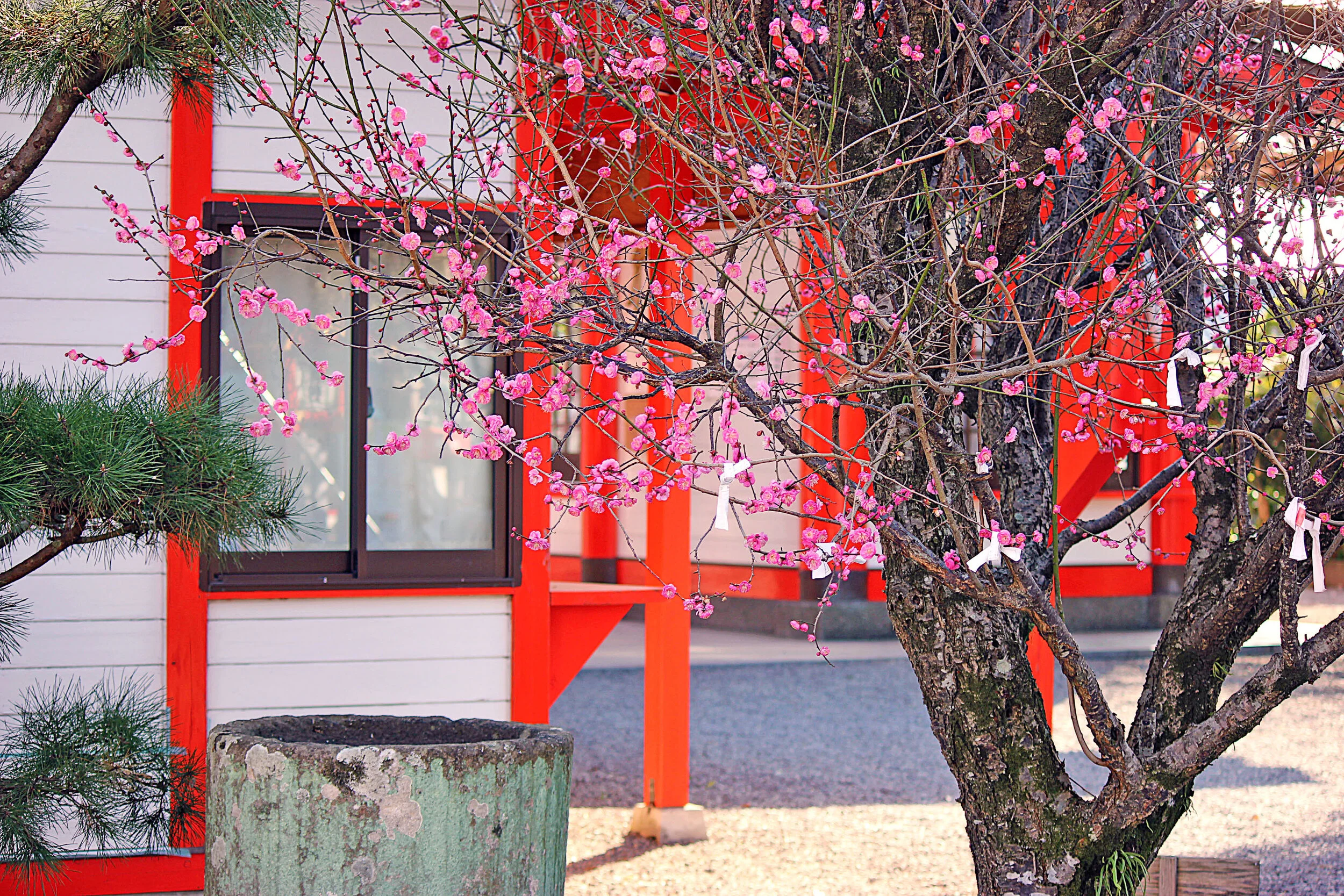
Plum trees are often planted in shrine gardens. A beautiful colour touch for the worshipers to enjoy on their traditional first visit of the year.
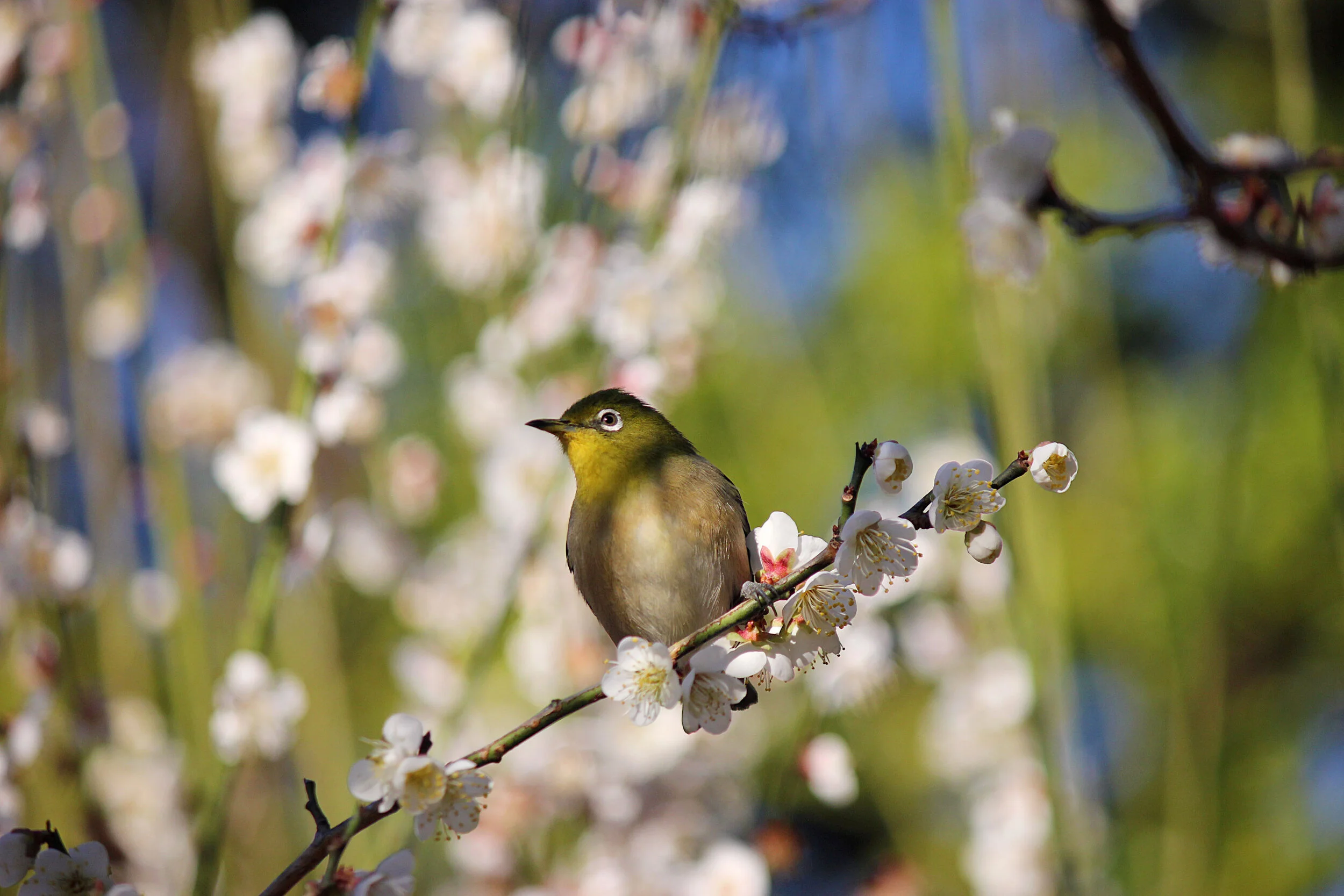
The mejiro (warbling white-eye) is a big fan of blossoms of all kinds. Plum, peach, cherry…you can see them inspecting each and every blossom one by one, looking for some tasty worms who might live there.
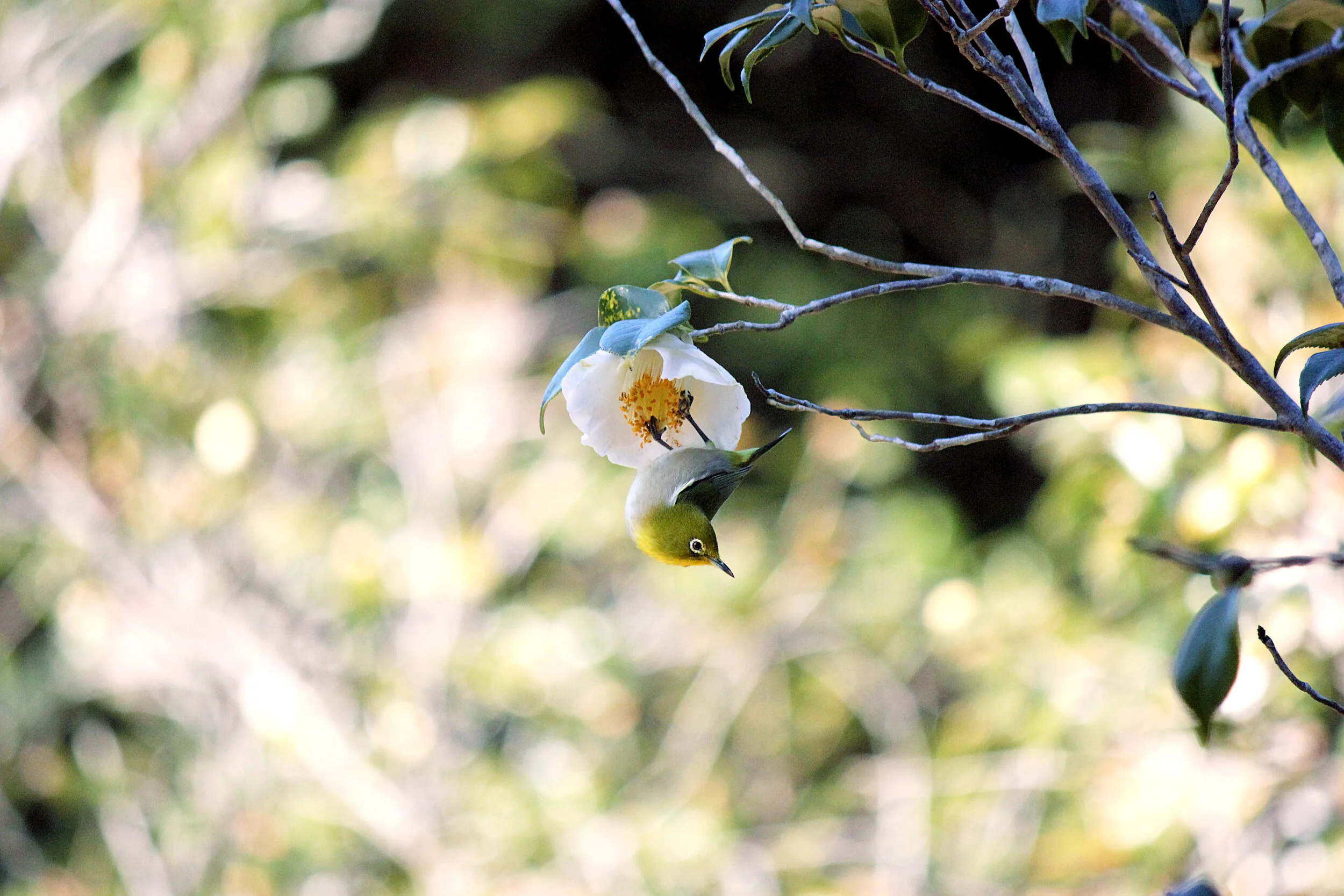
They are real acrobats, contorting their bodies to get as close to the flowers as possible! Here, skillfully holding on to the camellia pistils upside-down.
Ume or Sakura?
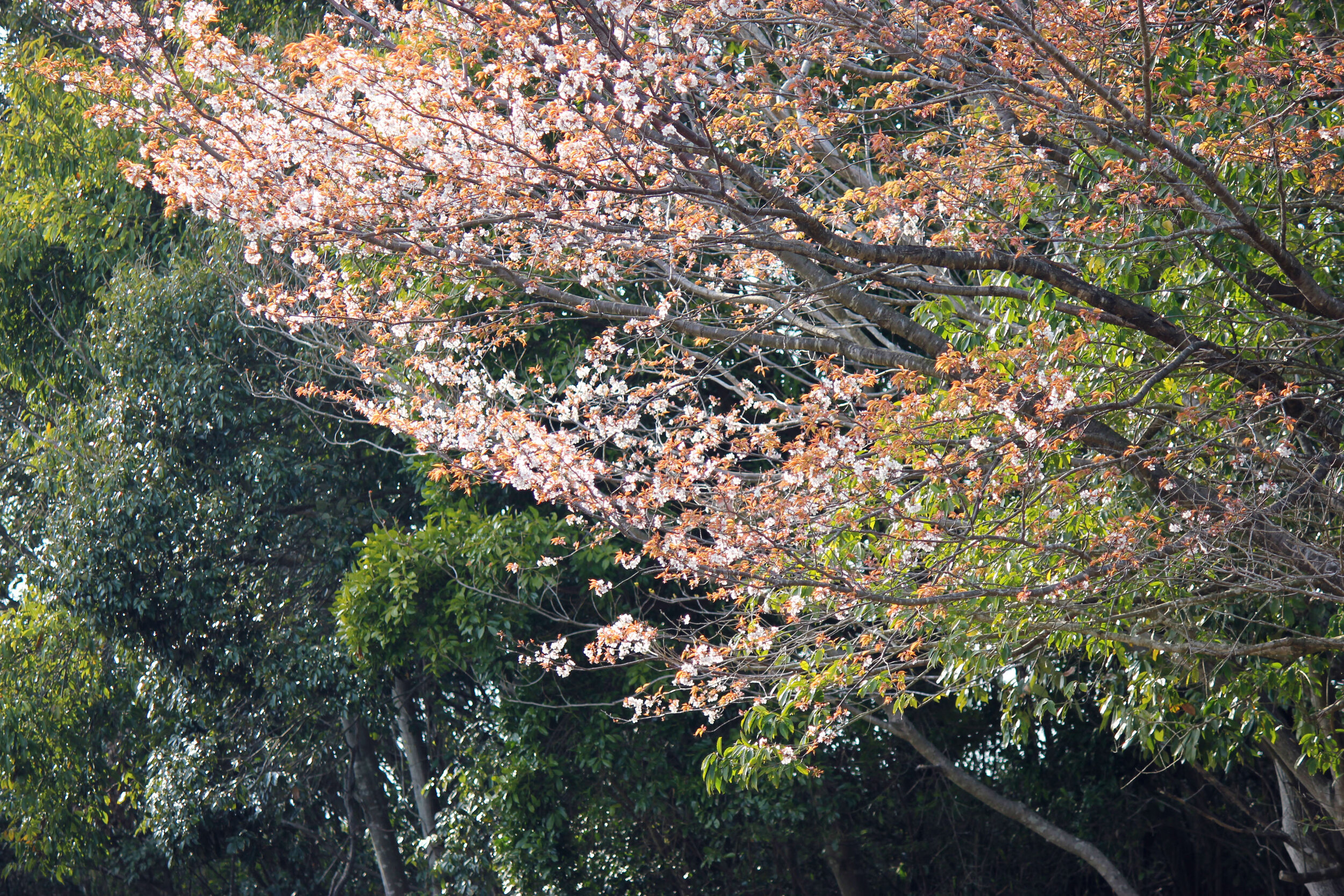
It is only a few weeks later that we start seeing the Sakura 桜 in bloom. The famous cherry blossoms start popping out in the wild in the middle of February. These early bloomers called Yamazakura (for mountain sakura) are easy to recognize with their white blossoms and their new purple leaves.
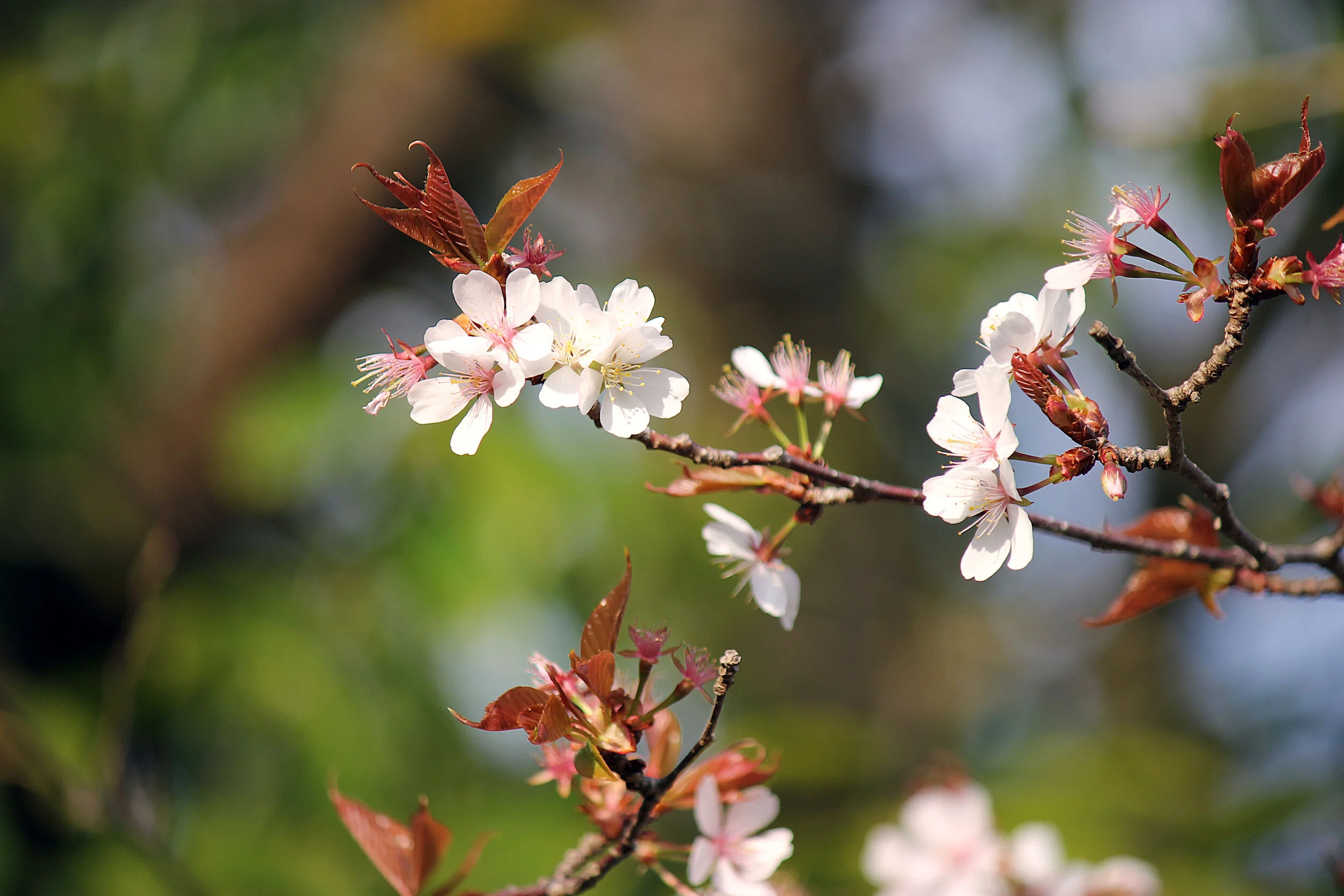
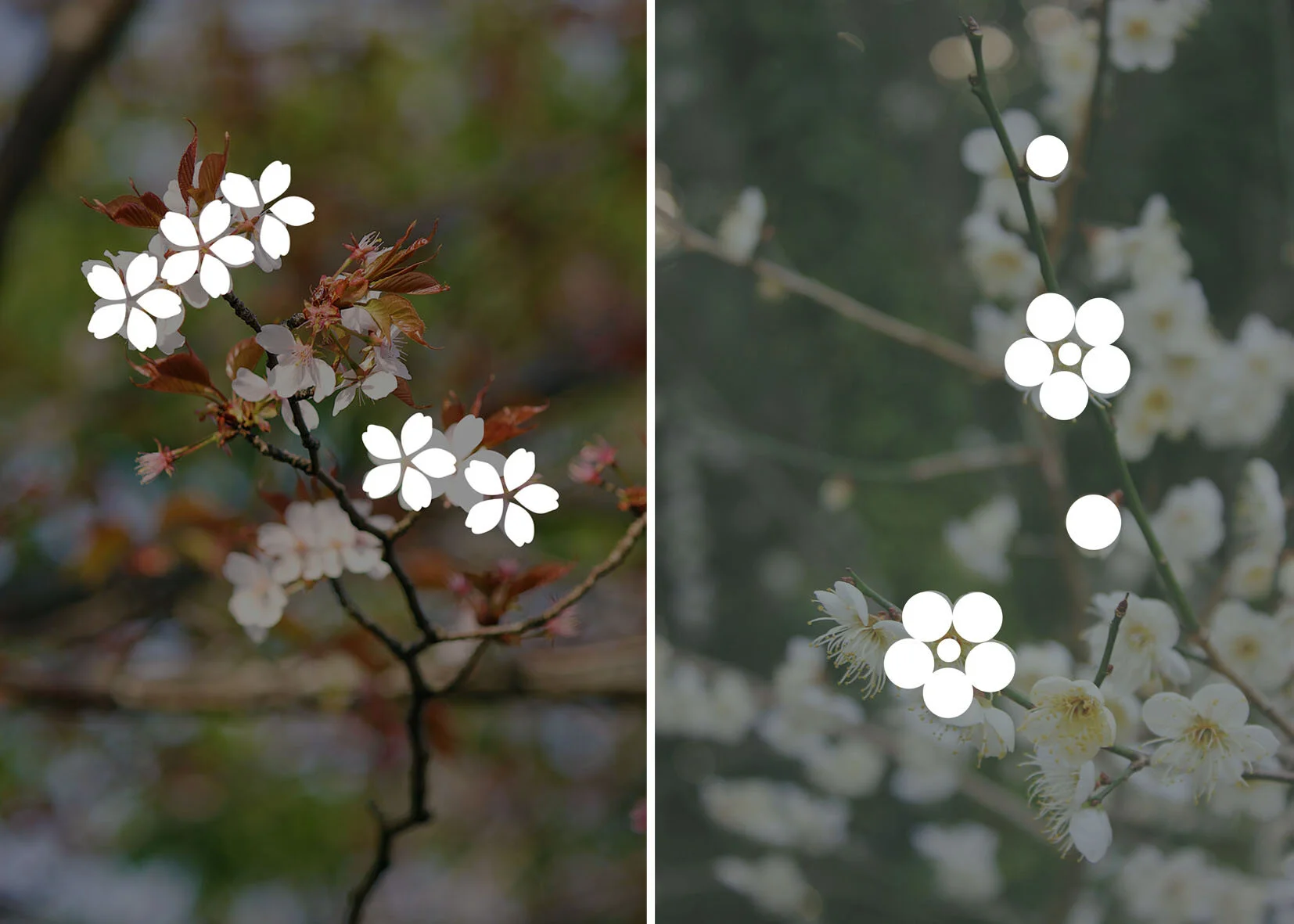
When I first moved to Japan, seven years ago, I would easily mistake plum for cherry blossoms, especially the white plum blossoms! But after looking closely at them over the years (and seeing them on many kimono textiles) I can easily tell which is which. The trick is to look for a little snick on the end of their petals. If it’s there, and the petals resemble a heart shape, you are looking at cherry blossoms. If the petals are round, you are looking at plum blossoms.
Also cherry blossoms usually bloom in “teams”, forming little crowns around the branch, whereas plum blossoms open one by one and when the buds aren’t open yet, they also look like perfectly round balls.
More varieties of cherry blossoms will start blooming from now until the beginning of April. Cherry blossoms announce warmer temperatures and hanami parties (gathering under the trees in parks). And with the academic year beginning the first week of April, they also mean it is time for students to get back to school!
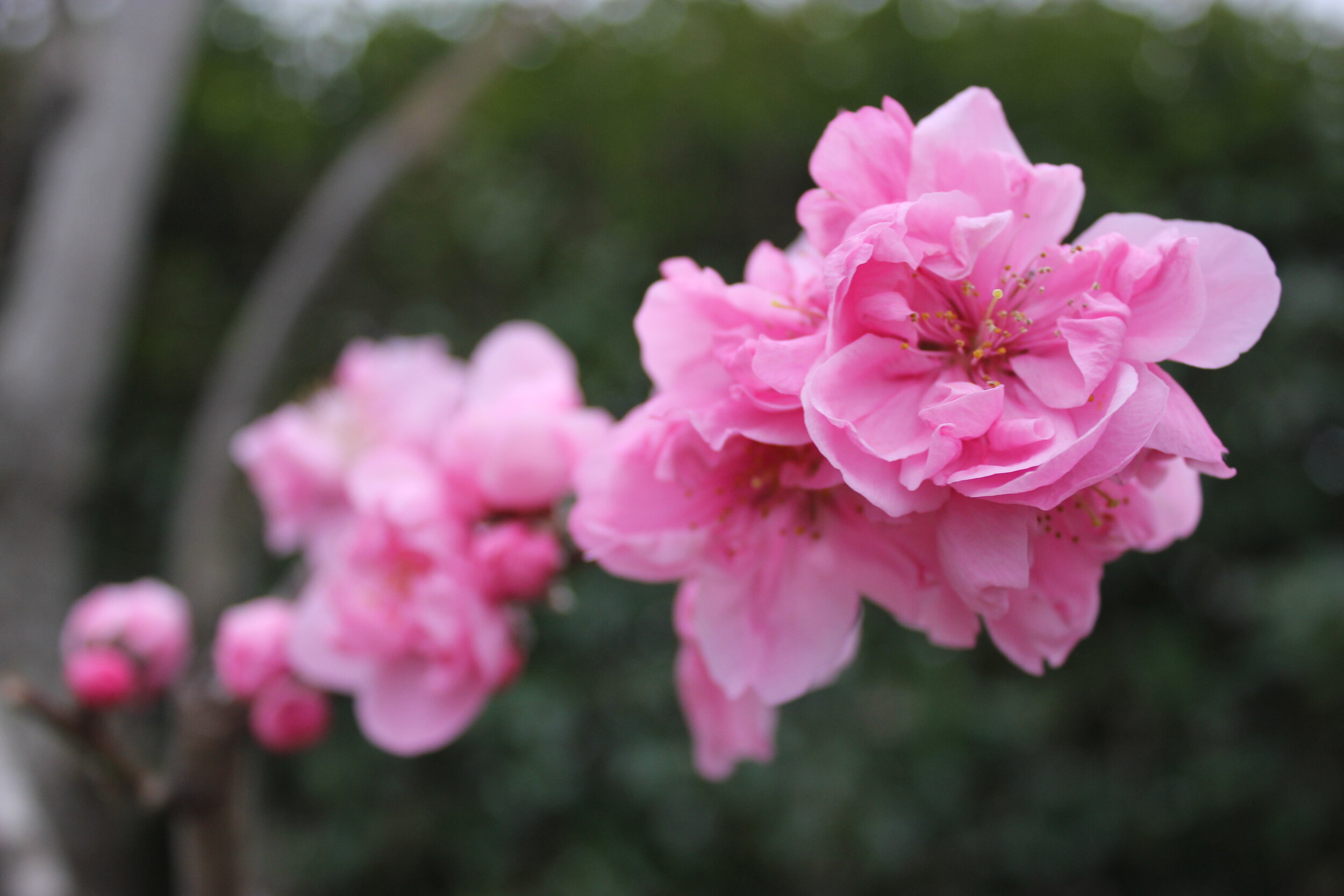
Peach blossoms also pop-out towards the middle of February. They are also commonly mistaken for early cherry blossoms, though the way they grow on the branch makes them more similar to the plum flowers.

Japanese bush warbler which recently started to visit my garden but has zero interest in the food I set out for him! Prefers posing for the photos instead.
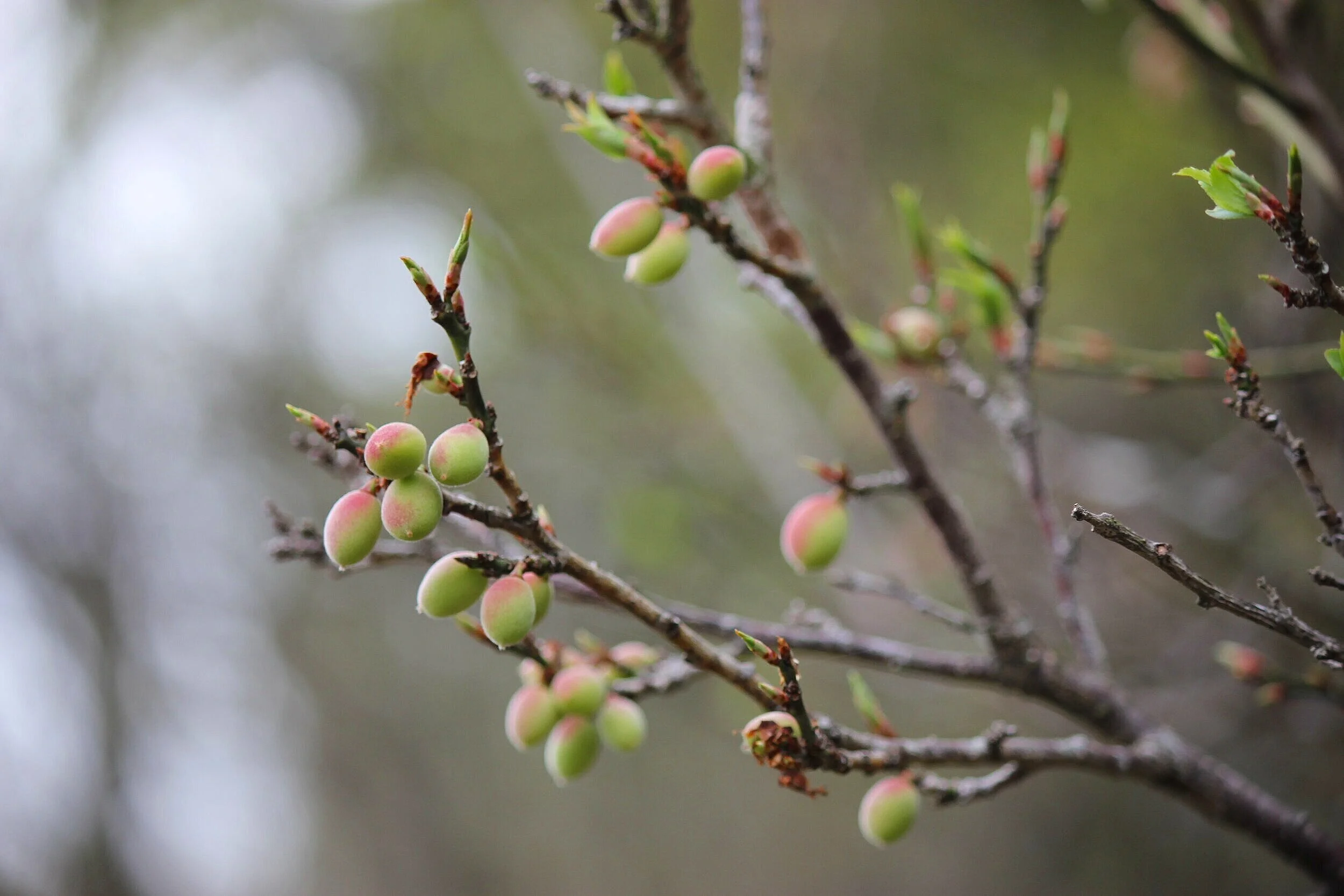
As you are reading this letter, most of the plum blossoms have already wilted here, replaced by healthy looking baby plums!
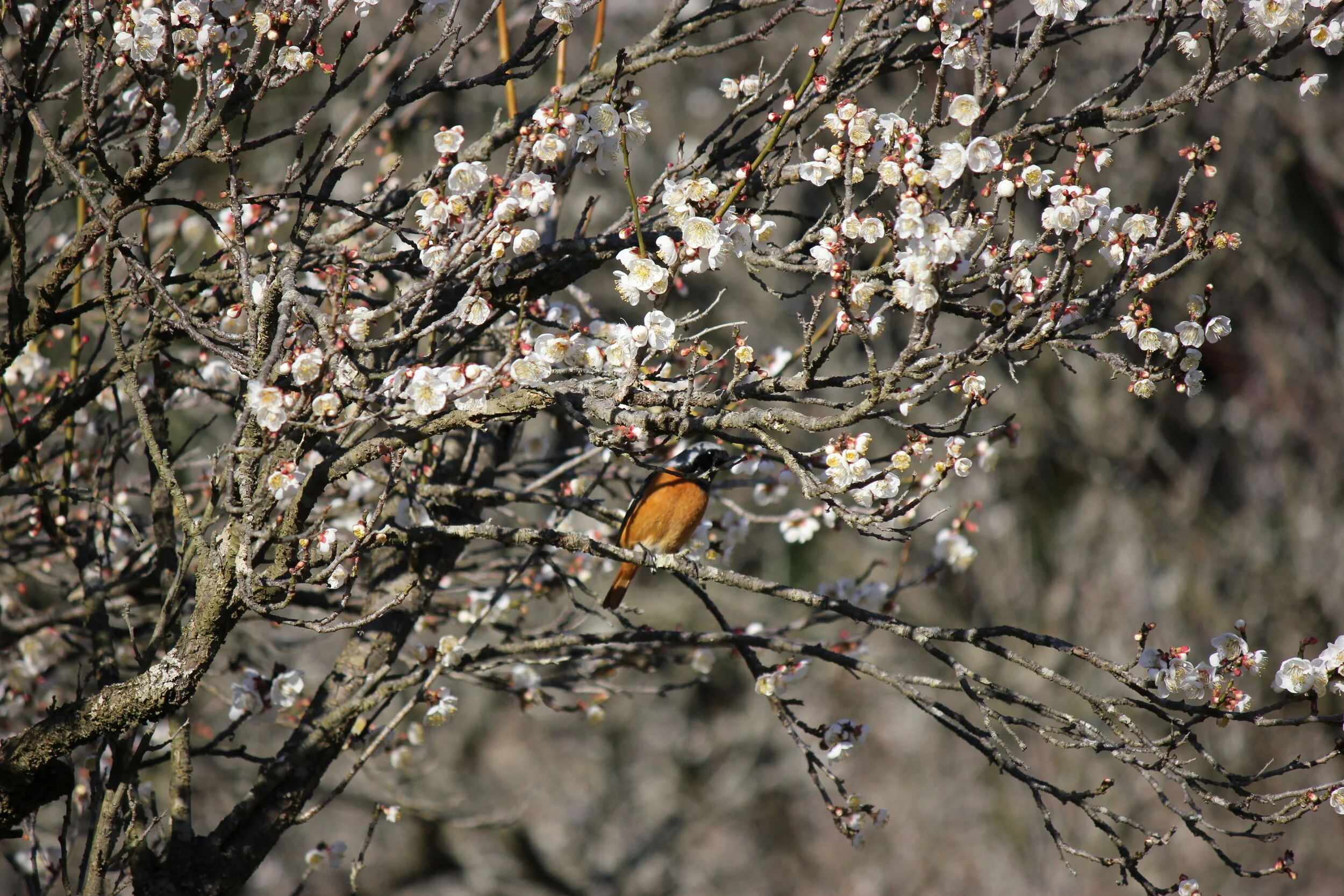
“See you next year for another game of hide and seek!”